

The Conglomerate of Ōkami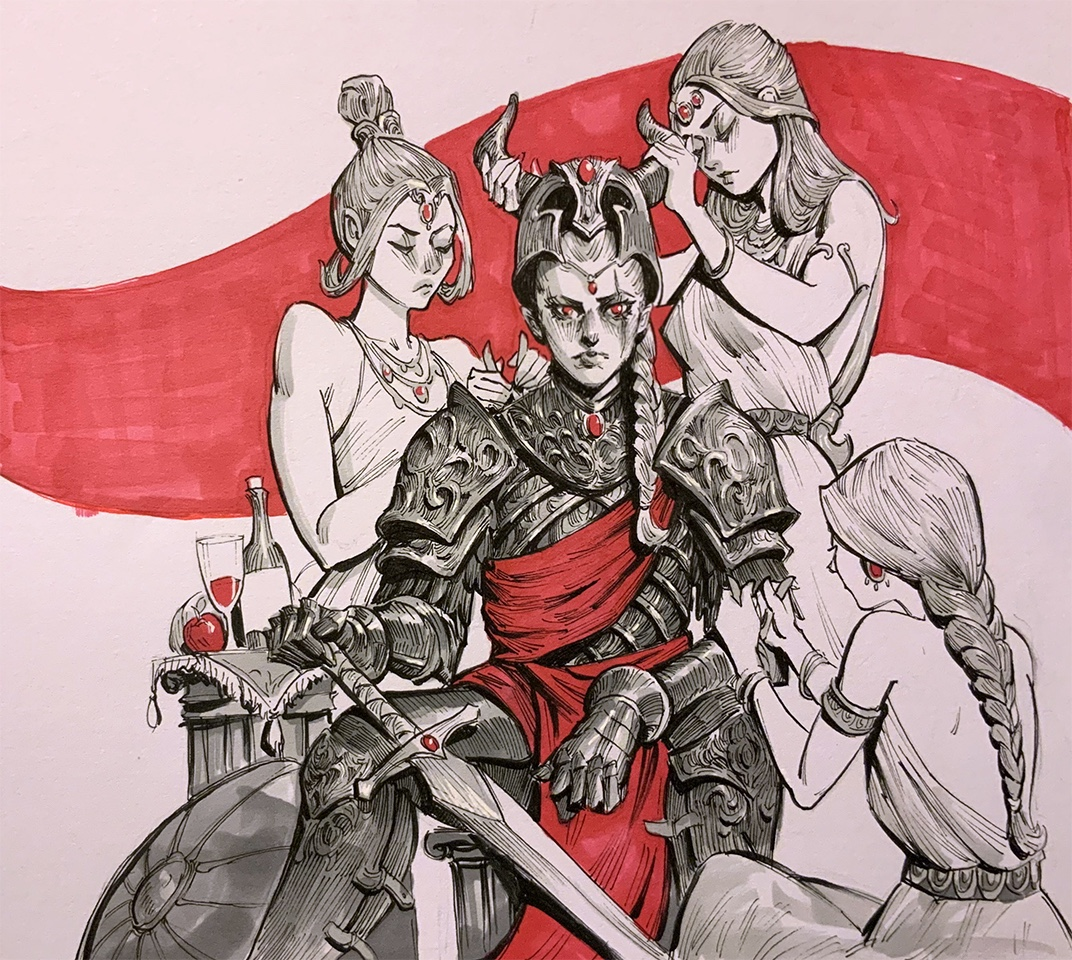
"How might one's sales be on this day?"
- A common Ōkamese insult.
Synopsis
Seat of Power: Kamirisei, Pikewood Fringes, Interior
Part of: None
People Name: Ōkamis/Ōkami
Adjective: Ōkamese (An Ōkamese sword)
Religion: Zen'enkyō
Language: Brani-Shift Sarword (Japanese English)
Introduction

An enterprising people base their operations in the southern fringes of the continent of Volantis, prospering in a powerful geographic position. The Ōkamese are known for prosperity and their pursuit of it at all costs. Carrying sharp business acumen and a insatiable desire for economic dominance, the world has the Conglomerate of Ōkami to thank for a great deal of the technological state that the races enjoy, as well as a number of less savory records upon historical textbooks. Beneath this veneer of capitalism lies a fundamental caste system which is based upon one's abilities and value to society. Rigid social tiers where character does not matter is prevalent in the ruthless lands of Ōkami, with the social strata only having movement if one acquires more wealth, or their competition mysteriously looses all they own.
Known for their "mastery" of magicks, alchemical studies and Clockwork Contraptions, the Conglomerate has historically stood as the only opposition within the Humans to the Empire of Man. Throughout the woes that have befallen this world, the Conglomerate has survived through their skills, but mainly by their distancing of themselves from the affairs at the heart of Volantis. When most was lost during the Chaos Incursions, Ōkami preserved what little remained of Man within their Pikewoods.
The Conglomerate are ruled by the upper caste, the Ancient Eikyo, or Immortals, who are said to have lived far longer than a human should; some even claim them to far outlive the dwarves and elves. These Immortals rule with the power of coin and social demands, unified under the banner of the Conglomerate so long as it is fiscally beneficial to them. These ruling Immortals have been at odds with the Empire of Man for as long as the two polities have existed; in modern times there are no signs of this changing.
While outsiders can often find this country girdled in snow-laden pines to be beautiful, they do not often agree with the harsh social demands of Ōkamese lifestyle and their willingness to sate their ambition at the ignorance of common moral quandaries. Ōkamis are fine with this; less competition means more profits to be made in the coming trade deals later this Dominion.
Physiology

Ōkamis are a bit darker and more tanned than the traditional human, with light browns, cocoas and mahoganies being prevalent. Their skin is not rough but more smooth and less textured. Their hair tends to be straight, and is almost always silver/platinum or black, with black being more common on males and silvers being more common on females. Facial hair is not frequently grown in this culture. Eye colors are often a deep emerald or brown, with eye shapes being subtly more angular than typical Human eyes. Ōkamese females are usually taller than the average human, whereas Ōkamese males are slightly shorter. Both tend to be more slim than other humans. Their average height is 5'7'' for males and 5'6'' for females, and a weight average for males at 155 lbs. and for females a weight average of 135 lbs.
Fashion
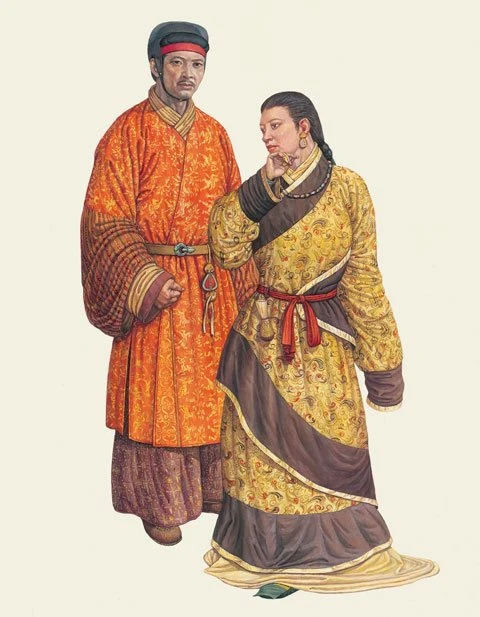
Here, ostentatious displays of wealth and status are not only encouraged but expected. Each garment is a statement piece, meticulously crafted to showcase the wearer's prosperity and self-worth. The clothing of the Ōkamese figures is designed to be eye-catching and extravagant. Bright, vibrant colors dominate their wardrobe, with an emphasis on rich hues that exude opulence. Expensive colors of reds are used frequently, alongside jade greens and golden yellows.
Dupioni silk with it's slightly thicker heft and velveteen are prominent fabrics, chosen for their luxurious texture and sheen. These materials are often embellished with intricate embroidery, metallic threads, and elaborate patterns to further enhance their visual appeal. Exotic imports play a significant role in Ōkamese fashion, adding an element of novelty and prestige to their attire. This might include rare fabrics, embellishments, or accessories sourced from distant lands.
Elaborate jewelry is a must-have accessory for all castes, serving as both a display of personal style and wealth. Precious metals and gemstones are commonly incorporated into their jewelry designs to showcase their fiscal worth. Jadis is a staple metal due to its green hue. For the very wealthy, the Ōkami's very own Arcanite, invented to replicate the alluring Star-Plectrum forged by the United Elves of yore, is enchanted with artificery of great power, with so much magick imbued that the metal itself takes on magical appearances. Lumina fashioned into coins is a popular piece of jewelry.
The staple garment of Ōkamese fashion is a kimono-like robe, but with a distinct twist. These robes are tailored to be tighter and less flowing than traditional kimonos, emphasizing the wearer's silhouette and status. Obis, cinched around the waist, add structure and flair to the ensemble. They are crafted from luxurious fabrics and may feature intricate embroidery or be adorned with ornate buckles and embellishments.
Green serves as the primary color in an Ōkami's fashion, symbolizing wealth, prosperity, and growth. Various shades of green, ranging from emerald to jade, are employed to create depth and visual interest. Reds and whites are used as secondary colors, adding contrast and balance to the overall palette. These colors may appear in the form of accents, embroidery, or accessories. Military garbs tend to have more reds. Gold, being tertiary, is sparingly used but strategically placed to denote luxury and prestige. It may be featured in jewelry, trims, or as a highlight color to accentuate certain elements of the attire. Having an incorrect amount of gold in one's clothing, or even the wrong hue, could be a reason for scorn from other Ōkami.
Kage no Kabuku (or simply Kage) are fashionable masks that the nobility of Ōkami wear to shield themselves from the lower class in public events (or sometimes public outings in general, if the particular noble is zealous) lest their poverty afflict them.
Values, Attitudes, Taboos, Morals, and Beliefs

To the Ōkamis, fiscal worth and self-worth are equivalent.
The average Ōkami is considered eccentric by most. They are cunning, driven by ambition, and pragmatic. Their intellectual curiosity is reminiscent of the elves moreso than Mankind, leading to many alliances and scientific partnerships between the two races. Furthermore, having been more or less separated from the majority of the continent, the Ōkamis are not particularly tied deeply with most, and as such are not afraid to step into more ambiguously moral areas when it comes to their lives. The pursuit of a trade deal which could cut off a smaller city that needs the medical supplies is not an uncommon idea for Ōkamis.
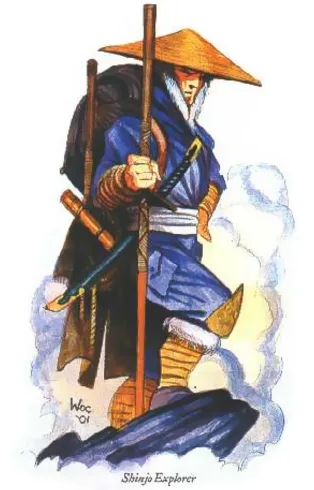
Though as a whole, this materialistic mindset does not dominate the entirety of their culture. There exists a good number of Ōkamis who do not obsess over the want of more, and simply abide in the steady work of their lives in order to pay off their Soul Debt, or Tamasai. These tend to be the lower working class; those who see no hope for the future of climbing the Ōkamese social ladder, known as Shakai no Hashira.
To climb the Shakai no Hashira is often seen as the greatest good one can do; if you can pay off more of your Soul Debt, or Tamasai, you are closer to bringing added value to the world, rather than simply bringing the world as a whole into more debt.
Education is highly valued as a means of self-improvement and social advancement. Ōkamese ideals of self-cultivation and moral development influence the emphasis on scholarly pursuits and lifelong learning. Intellectual achievements are esteemed, and individuals are encouraged to pursue knowledge and wisdom in various fields.
Despite being more on the side of loose morality, the Ōkamese people are very unified in their causes. As with all things, a unique sense of morality has been fostered within the Conglomerate and its peoples, such that honesty, integrity and fairness are valued, but only in pursuits outside of business. This leads to Ōkamis often having 2 personas; a business persona, and a living lifestyle. This has caused many to claim that they are two-faced, and an Ōkami would be quick to inform you that this is true. Better to separate work from home, they would say. Outside of work matters, one may find that a ruthless, charming and unbending Coin-Farrier (A term meaning professional peddlers) is actually a soft, caring and empathetic mother who gives her wealth away to those in need.
Colloquially, the Home Persona is called Shokuba Karu and the Work Persona is called Katei Karu
A constant battle has been raging amongst Ōkami since its inception; one of the mind, rather than of blade. The battle between the Home Persona versus the Work Persona. These often work in direct opposition of each other, and dedication to either fully is a cultural taboo. To fully sell yourself to your work is the least taboo option, and most likely to earn awards and accolades; someone who sacrifices their life to their pursuit of work and gain to pay off their Tamasai is one who will be scorned by few. Someone who fully devotes themselves to the Home Persona however, is considered lazy, detrimental to the world and free-loading, increasing the total debt level of the world and decreasing the value of the spirituality of the world. Naturally, these two pysches clash; where one might don their Shokuba Karu and forclose on the starving village's town hall because they failed to deliver their shipments of Garouse Elk pelts, the Forcloser's Katei Karu after working hours would incentivize the Forcloser to secretly provide funds or goods to the village without anyone knowing.
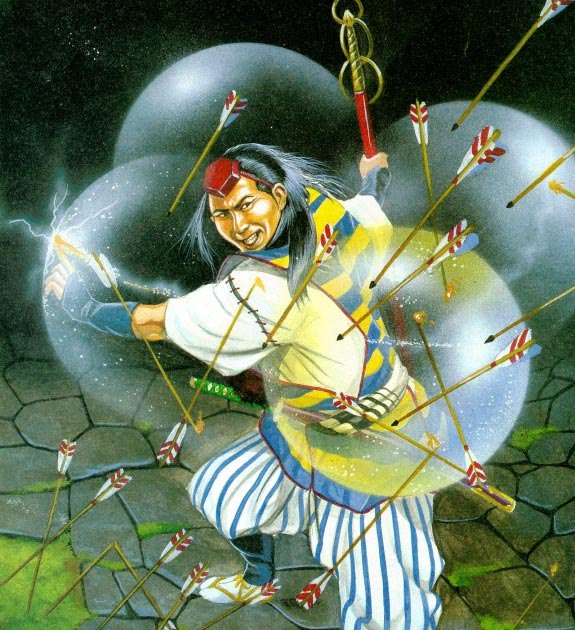
Because of this, one's Katei Karu is often kept secret to most, and held behind closed doors. To let your business enemies know that you are secretly "squandering" your profits, regardless if it is to those in need, would be catastrophic. However, enough of the Conglomerate still honors their Katei Karu, which enables society to continue going on. Cooperation, consensus-building, and conflict resolution are valued skills, and individuals are encouraged to contribute to the greater good of society. Maintaining harmony within communities and respecting the needs of others are considered paramount.
Each Ōkami has a varying amount of each Persona within them, and much debate amongst scholarly circles have been conducted to deduce how much control one has over their own Persona. Regardless of the truth, the Ōkamis remain as a people who would create a monopoly on the alchemical products which could provide an antidote for a blighted region, while at night be secretly sending discounted samples to save the lives of the suffering. As a rule however, the Shokuba Karu, the Business Persona, is far more prevalent amongst most Ōkamis, leaving the society rather ruthless.
At the end of their working life, often at an older age, Ōkamis have to make a decision whether or not to assume their Soul Debt is paid off. Part of Ōkami religion, Zen'enkyō, is that one cannot ever know what the remaining balance is on their Soul Debt. Social customs dictate that a life led of hard work will often have their Soul Debt paid off by either military service or great fiscal wealth, often seen in ones senior years.
Family

"Ōkamis are known for having family issues. Not good for business, not so at all."
The Ōkamis view their families through a lens influenced by their materialistic mindset and societal expectations. While they may hold deep-seated cultural values regarding the importance of family, these values often take a backseat to the demands of their ambitious pursuits and the pressures of paying off their Soul Debt. As a result, familial relationships can become strained or neglected as individuals prioritize their careers and social standing. The Shakai no Hashira does not factor in family ties, or so the sentiment goes.
This translate to a family's worth (as well as its individual's worth) being tied to what they provide the world. If a son is found to not bring the family enough income, the son is often reprimanded, or cut off from the family linage. Much stress is put upon Ōkamese youth to find good lines of work to provide for both themselves and the opinions of their family. Success and achievements are often viewed as a reflection of family upbringing and support. One does not want to bring dishonor upon the family by being poor, after all.
For many Ōkamis, family may be seen as a secondary concern, overshadowed by the relentless pursuit of success and financial stability. They may view their family members as extensions of themselves, valued for their roles in contributing to the overall prosperity and reputation of the household. However, emotional connections and quality time with family members may be limited, as individuals devote the majority of their time and energy to their business endeavors.
Despite this emphasis on material wealth and social status, there may still be a sense of duty and obligation towards family members, particularly parents and ancestors. Traditional values of filial piety may be upheld, albeit in a more pragmatic and transactional manner, with individuals fulfilling their familial responsibilities out of a sense of obligation rather than genuine affection. This is not a hard rule, as those who cultivate their Home Persona, or their Shokuba Karu, will devote more of their time to their families and enjoy more quiet lives.
If an Ōkami, typically an elder, believes their Soul Debt to be paid in full, they will tend to focus more on their family. That is why Ōkamese families tend to be led by older leaders rather than young patriarchs or matriarchs.
Work & Trade

"Work-life balance?"
Heavily tied into their family and values and morals, an Ōkami's work life is heavily tied into their family and morals. Rather than speaking on the importance of work, this section will speak of what it is an Ōkami actually does.
In all of their work, an Ōkami is concerned (or obsessed, some would say) with efficiency. How well one works, and in how little time, is tied to how much prestige a person bears. This leads to their work often being very precise and meticulous, as well as their lives and personal movements. An Ōkami may know exactly how many swings into a Southern Blue Oak is required to fell it; any more is a waste of valuable time. However, the Ōkamis are still human, and are prone to not reaching this peak efficiency that their Trade Temples and Coin Sages always are pining for; a dreary day filled with rain, or a sleepy day during Solurary may bring down an Ōkami's work efficiency. Some may end up being stricken with a subtle guilt during these low-speed times.
Typical jobs for the Ōkamese peoples include accounting and finance positions like contract magickians (for even in these magickal lands, the world of law is known to be magickal and indecipherable to most), accountants, record-keepers, balance-setters, Trade Lords, Coin Masters, Coin Prelates or Priests, Artificers, Arcanists, Alchemists, mercenaries, woodcutters, humble farmers, and most jobs you can think of in the lands.

If one prospers their Work Persona, or their Katei Karu, they may find themselves in audience with the higher castes of Ōkamese work, like Trade Lords, Coin Singers, Money Priests/Prelates, with the very top being the Immortals, or Ancient Eikyo. Shrouded in mystery, these immortal beings are thought to be merely men and women who have found the secrets to eternal life, and use that to work indefinitely. Centuries of political and economic developments cement their social strata and prevent almost all movement into their top-level caste.
The industrial system of the Conglomerate is strong, very strong and sprawling; throughout the various major and minor cities that demark the lands of the Conglomerate, most are more technologically advanced than other human settlements. Though rare, the most advanced and well-off cities may have features of Clockwork Contraptions within their walls. Tin birds flitting through the air to deliver messages, whistles set up on a daily cycle to alert the town that working hours have begun, and even menial labor Clockworks which do great works that the average Ōkami could not bear.
 The boreal locale that the Conglomerate mainly spans is rich with alchemical components suited for potent concoctions that the lands desire. This has led to Kamirisei, their capital, to being the alchemic capital of the lands; far and wide do all the races travel to the Pikewood Fringes for miracle cures, volatile weapon coatings, magickal repellents, and other great works. Some end up being tricked or misled into acquiring only charlatan sales however.
The nearby Coral Boreal houses a plethora of resources rich enough for Ōkamese plundering. Ersatz Coral, for both Magickal means as well as decorative, is a commonality in Ōkamese trades. Teethstone ceramicware baked from Jhotasite are common exotic exports, fashioned into both houseware ceramics as well as weapons of beguiling sharpness. Most Arcanite is magickally forged within the lands of the Pikewood Fringes, with the Ōkamese Magisters being some of the more powerful practitioners of Artificery in Volantis. Jadis is also know as a common ornamental metal for the Ōkamis, especially for military armaments. Many higher denominations of Ōkamese coinage is printed in Jadis.
As profitable are the lands of the Pikewood Fringes, and as successful at selling them are Ōkamis, quick are they to spend their marble-based currency on anything they so desire. Materialistic, the average Ōkami has an eye for anything flashy, frequently coveting that of what their neighbor owns.
Ōkamese coin is in the form of a string of cut and polished marbles, each with various values. The denominations of the marbles is essentially worthless to outsiders, so a move from fiat currency was adopted in later centuries, tying a normal Spiral of appropriate denomination to the cord. It is easy to see if a Spiral has passed through Ōkamese hands, because it will have a round hole through the center where the sun should be, so that the string may pass through. As Ōkami and the Empire of Man have been at odds for a large portion of their existence, this is a well know, but not actionable slight from both parties that is continued.
Religion
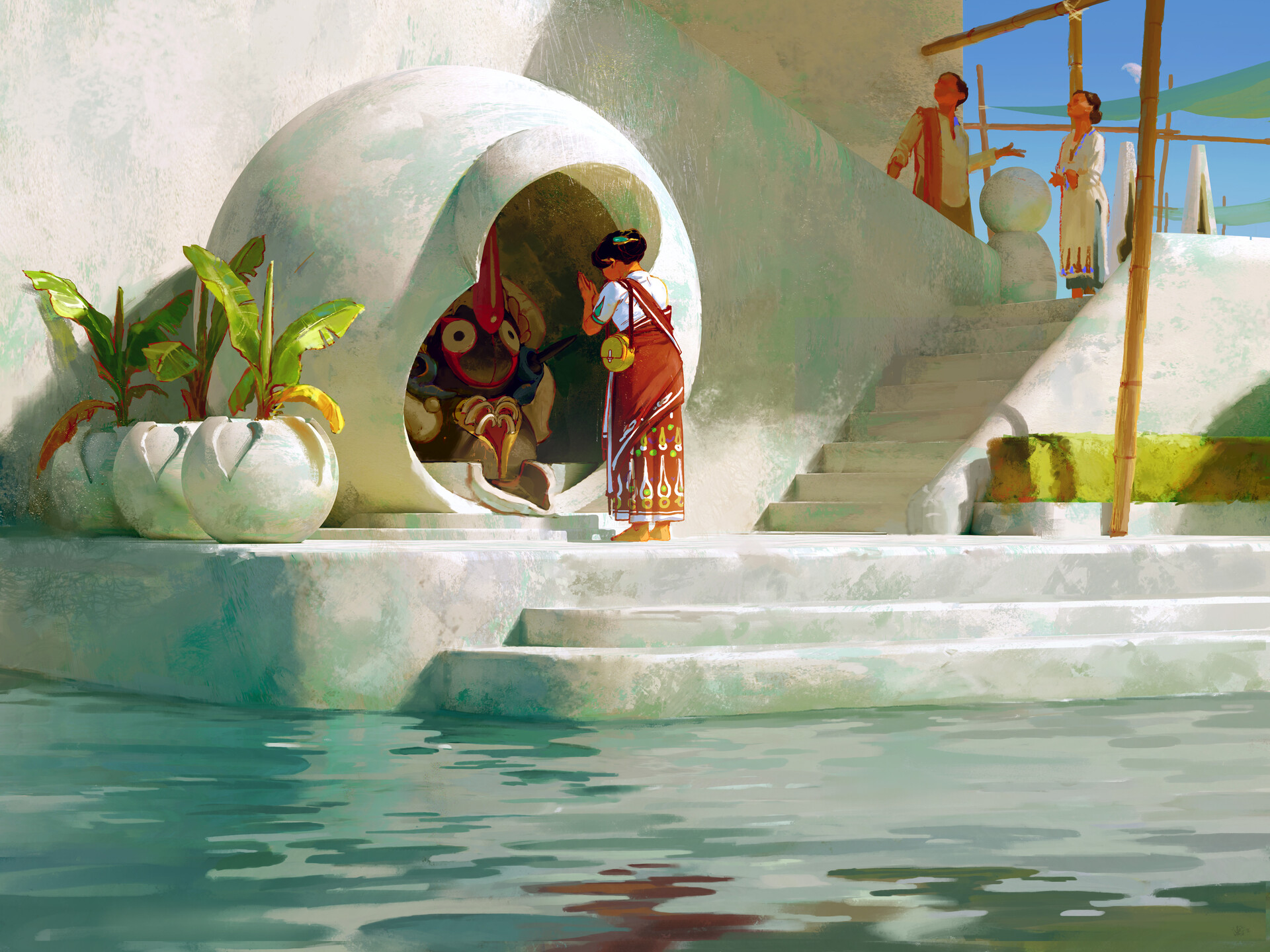
"Coin talks."
Sitting at the head of their religion is neither God nor Devil, but rather the Coin that they hold in their very hands. All decisions are done in accordance with the will of coin, what shall bring the most glory to their money, what shall increase the stores of funds the most. Venerable deeds are done with money-centric designs, such that money is always the motivator. They call this faith Zen'enkyō. From the coin are no magick powers or divine interventions, no prophecies nor celestial guidance. Rather, the power of coin is seen throughout the world in mystical ways; with more faith in their coffers does one walk with their head higher, more confident, able to change the world just as one may change the world with the magicks of the Enlightened or Umbral.
Second to coin in Ōkamese faith is their deity Shōbaimi, Great Goddess of Gift Giving, Deity of Commerce. Worshiped by those of the Zen'enkyō faith, prayers and requests are sent to the Gifted Goddess, in hopes that their coin may be placed into the right investments, and that their purses peel at the seams with gain. It is Shōbaimi's duty to handle the flow of commerce.
Third in Ōkamese faith is the great Golden Archdrake, Kinryū. Having been at odds in an age archaic with Shōbaimi, Kinryū now serves as a mystical force in Ōkamese mythos; some say that Kinryū still roams the lands in search of more gains and goods, and if an Ōkami hoards too many goods without employing their funds, they are liable for Kinryū to find them and take them for himself into his grand hoard. The Golden Archdrake is not so much worshiped, as revered, in a slight bout of anxious fear and paranoia tinged with awe and respect.
Outside of these 2 Gods and the Coin they covet, Ōkamis worship many smaller Spirits which are said to roam the land. Some may call these simple Ghosts and Wraiths, domesticated and diluted, but to the Ōkamis they are real and pervasive in the world, albeit in subtle and mysterious ways. Ancestral worship is heavy in the Ōkamese way of life, though this is a more archaic aspect of their faith; the common push for the youth to not be tied to their family if they are not fiscally sound has harmed this belief.

With the Zen'enkyō, no greater coin exists than the Sun Coin. In contrast to the other religious in the world of Volantis, no deities nor palace of gold sits within the spiraling sun. Rather, their story begins with a great dragon, who coveted many things, no less that which hung high in the sky outside of his reach. Kinryū was his name, and voracious was his appetite. All things that glittered and gold were his to claim, and with beats of his mighty wings did gems and precious metals fall from his excessive wealth that adorned his body. Kinryū would not be satisfied with what he had however, for always in his efforts of gain did a single coin stay always out of reach; the sun itself, hanging in glittering gold far too resplendent for mere mortals to gaze at without recoiling in pain. The Golden Dragon decided to strain its wings and fly far into the Firmament, and swallowed the sun whole, for it then did hold the greatest coin in the sky. A time of darkness fell upon the lands of Volantis, and many turned to more savage ways.
One being, who was a Spirit at the time, held awe at the Golden Archdrake, and saw the potential to win the coin for themselves. The Spirit proposed a deal, not of immediate fiscal transaction, but one of delayed reward by means of a game of marbles. Whoever would win this game of marbles would keep the Sun Coin. If the Spirit lost however, it would forfeit it's immortal life into service of the Archdrake. Seeing this as an easy win, as the Archdrake was far older than the Spirit, the Archdrake accepted in it's hubris.
Much to the dismay of the Spirit, the Archdrake created it's own marbles; the Planets themselves. Laughing in great joy, the Archdrake thought the Spirit would not have the strength to even play the game, much less win. But the Spirit was cunning, even in their youthful age of immortality. They waited an untold amount of time for the planets to align in a particular fashion, such that the conditions of the game were won. Eventually, the Archdrake was bested by the cunning of the Spirit. The Archdrake, not being one of rage, saw the wisdom of the Spirit, and regurgitated the Sun Coin.
Taking the opportunity, the Spirit spirited the coin away, setting it in the sky to barter with the God of Souls, Tamashiira, who stood ambivalent to their game. In exchange for the Sun Coin, Tamashiira would establish a trade route in which all souls would be put on credit. This is how mortals were given souls: pre-bought by the Spirit, and marked down as accruals on the Divine Ledger. The dragon was later to be known as Kinryū, and the Spirit, Shōbaimi. Tamashiira moved the the Sun Coin back into the center of the sky, though it had been partially digested, imbuing Kinryū with a bit of its divine power. Now it rises to guide all to profitability.
Their creation story leads the Ōkamis to believe all are born in debt. One must pay their soul price through labor and redeeming their time. If they die and the price is not paid, then they are collected by the God of Souls and recycled, or if they've somehow increased their debt by being a conventionally "bad" person, and their debt too great, they are whisked away into an unspeakable hell of sorts, where they toil forever and never get to experience the fruits of their labor, an Ōkami's worst nightmare. However, if the price is paid, they enter their afterlife, and if they lived very well with much earned in their name, the excess of their soul price is used as capital to fund their afterlife adventures.
More stories abound in their folklore, such as the story of Usogami the Liar, and Shōbaimi the newly birthed god. It is told that when Shōbaimi became a god, Usogami told Shōbaimi that a grand inheritance awaited them, now that they have stepped into this new role. A barter was later made with this inheritance, and when it was time to collect, none was to be found. Shōbaimi was found at fault in her divine dealings, and was subject to servitude to Usogami who had tricked her. The Adventures of Kyūseisha detail how this played out, and Shōbaimi's fate.
Agriculture & Cuisine

Being a bit remote from the rest of Volantis, the environment within the Pikewood Fringes is colder, and lavish with rare endemic life. An abundance of wildflowers keeps the Ōkamese tradition of beekeeping healthy, as does their access to the ocean as well as numerous streams for salmon. A unique species of Giraffe, called by Ōkamis as a Shiroganeshi, or simply "Rockneck" by others, wanders these lands and eats Southern Blue Oak as well as the land's signature Bamblue. This Rockneck is white, taller than the typical Giraffe, and their spots appear as if they are geodes rather than brown spots, and they are carried with hard hooves.
The bay that Kamirisei is nestled within finds itself visited by a unique dolphin which they call the Teeth Risso Dolphin, for it's unique trait of healing all injuries with a pale orange scar tissue that never vanishes, eventually building up to cover the Teeth Risso with a mesh of orange coloration similar to Teethstone.
Wind Rose flowers grow closer to the Coral Boreal, and often float off to distant lands for a time. Silver Birch trees, Conifers with their waxy leaves, Fir Trees, the exotic Southern Blue Oak, mosses, lichens, berries like Blueberries, Clingberries (a sort of annoying burred berry with little nutritional value) and more are all common sights in these lands.
Most beloved is the Buton Shoku, an entirely mundane pig that most middle-class families have in their homes. The pig is well groomed, lives indoors, and every need is met; all scraps are fed to the Buton Shoku. What the families get in return is proported "Good Fortune." The fatter your Buton Shoku, the greater your future profits. "Feed your Buton Shoku, feed your future" or so they say!
Ōkamese cuisine tends to be more expensive than the average human meal, incorporating a more balanced diet including meats and imports of spices and the like. Notable foods for the Ōkamis include grains like barley and rye, rice which has adapted to colder weather and less water, potatoes, cabbage and kale, as well as a large number of cattle and sheep. These are frequently prepared into a variety of lavish dishes, with one notable one being that of a moose meat soba noodle dish, served with a low-grade vitality elixir in the form of a broth. A small naruto-maki that is gold and red instead of white and pink is placed gingerly within.
Very rare, and only seen by most in their daydreams, is the fable of the Azure Phoenix, of which is the Conglomerate's symbol, a representation of rebirth and renewal in their times past of wars with the Empire of Man. It is said that a single feather from the Azure Phoenix is capable of granting Magisters untold capabilities far beyond what a typical focus will permit, and potions brewed with ground Azure Phoenix beaks are said to grant people an additional lease on life. Or so the sayings go...
Architecture & Locale
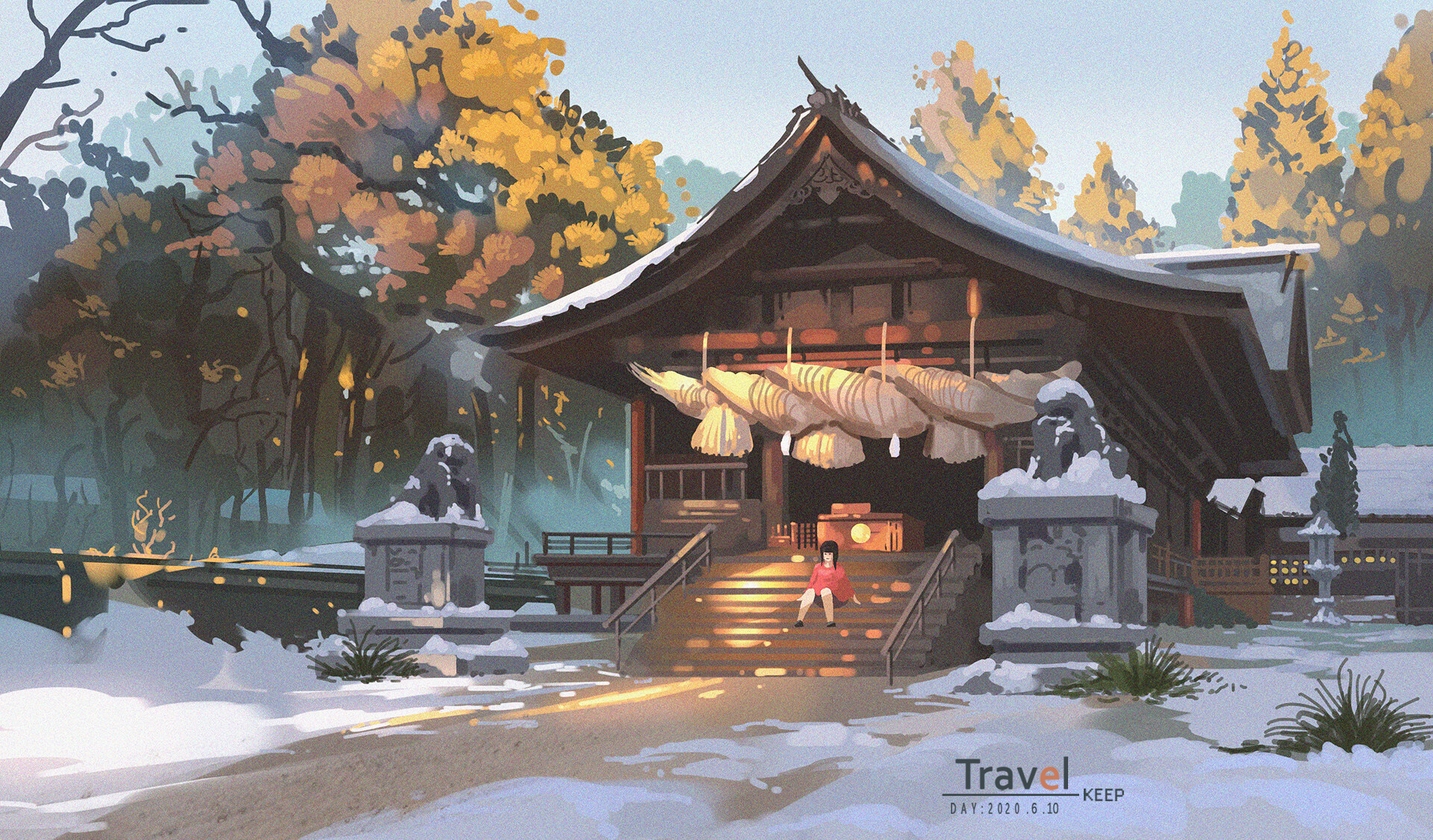
The Ōkamis tend to prefer colder climates, with the Pikewood Fringes being in a boreal biome. Their cities are almost always set up along trade routes; a common jab at Ōkamese peoples is to ask whether or not the trade route or the city came first. Those who do not want to live in the bustle of life are few but still exist, and sometimes put under scrutiny with claims that they will not pay off their Soul Debt living sedentary.
Architecture found in the Conglomerate tends to be more lavish and ostentatious than most, though still functional. Arches are typical, with darker, sloped roofs. Paper shoji screens are often employed. Temples tend to be on higher land and feature more gold in their design. Some even claim that the layouts of Ōkamese cities themselves are devised in such a way that you always will find yourself at the central Market.
Dedicated areas within the city are reserved for merchants and traders, where specialized markets cater to specific goods. Covered arcades and alleyways provide shelter from the elements, allowing for year-round commerce. Warehouses and storage facilities dot the landscape, storing goods imported from distant lands.
Merchants often invest in larger homes to showcase their wealth, sporting large courtyards and ornate interiors. Architectural marvels such as covered bridges, aqueducts, and granaries demonstrate the culture's engineering with Clockwork Contraption prowess and logistical sophistication.
Lumina is often found as a light source for the Ōkamis, dotting their walkways and passages. More expensive ornate works feature Teethstone, notable for its belief of being washed pure of sin and giving a dull ringing sound when moving through the air. Jadis is used for temple structural parts and any expensive metal.
Government & Social Hierarchy

Money, the lifeblood of Ōkamese society, is intricately tied to societal power. A plutocracy reigns, where wealth equates not only to material abundance but also to influence, status, and ultimately, control. Capitalists hold sway over the economy, accumulating immense fortunes and wielding unparalleled authority in shaping the nation's destiny. The accumulation of wealth becomes the primary means of ascent within the social hierarchy, with each rung on the social ladder, or Shakai no Hashira, being fought by individuals vying for economic dominance and the accompanying prestige it brings.
The Immortals, or Ancient Eikyo, represent the pinnacle of societal hierarchy. Their existence is shrouded in mystique, and their longevity has become a symbol of both awe and envy among the populace. These rulers, with their immortal status, have transcended traditional familial ties and shattered the conventional class system, establishing an impenetrable overclass of citizens.
Ōkamese social and governmental status swings towards a more feminine population. This is displayed most prominently in the Immortals, which consist of a majority of women. As with most Ancient Eikyo, governance is entrusted to a committee of businessmen and women of high status who have earned a seat upon the Bartering Table, which is intended to reflect a cultural belief in the inherent wisdom and nurturing qualities of the feminine.
These men and women of the Bartering Table (which is also skewed towards women-seated power in recent years) oversee the administration of the state, making decisions that shape the direction of the nation. The highest of these is the Trademaster, the highest non-Immortal rank within the Bartering Table, serving as both a financial and religious figure of authority. Following the Trademaster is the Ryōgun, leader of the Ōkamese military the Dae-Shiru.
The Bartering Table is gazed up with respect, as the Ancient Eikyo are often dealing in the shadows, and they are revered as if Gods amongst men. The focus of both groups is that of collaboration and consensus-building among the ruling elite.
Hierarchical structures pervade every aspect of society, from the stratification of wealth to the deference shown to those in positions of authority. Traditional Ōkamese values are those that emphasize respect for hierarchy and adherence to prescribed roles. Individuals navigate this complex web of social dynamics, seeking to climb the ladder of success through meritocratic achievement or leveraging familial connections in a relentless pursuit of status and power.
Much time is spent on keeping up appearances in these lands as well. The appearance of being busy is prevalent, even if no work is being done, due to the culture's premier value it has on working and labor. Sometimes an Ōkami may spend their entire day looking busy, in order to not be guilted for a day of rest.
Weapons & Military
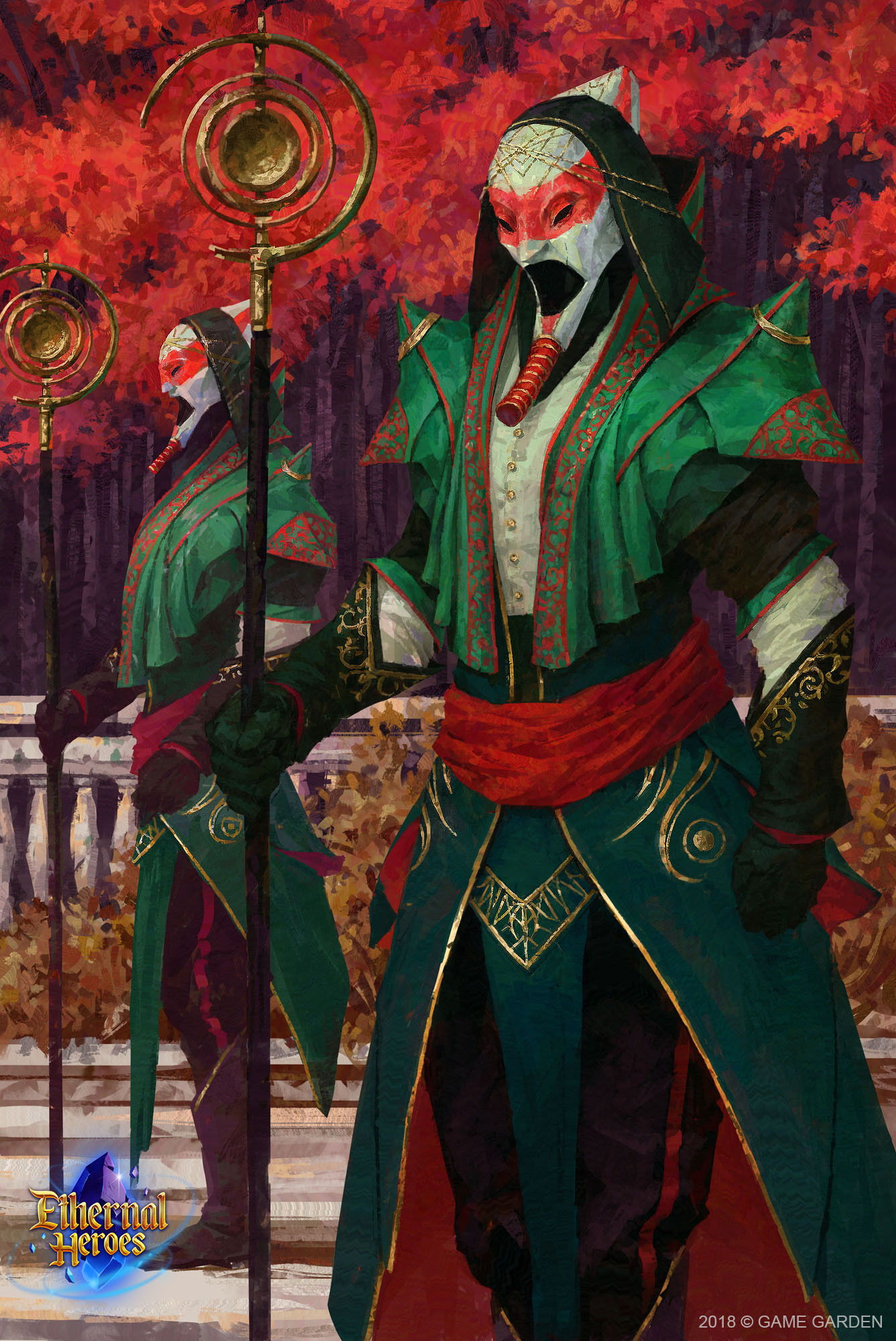
The Ōkamese miltary complex is called the Dae-Shiru, led by the Ryōgun at the top. It is well funded, and has often been a thorn in the side of the Empire of Man, who has traditionally been the powerhouse of Mankind. What the Dae-Shiru lacks in numbers it makes up in quality; the average Ōkamese warrior outclasses most human warriors in both skill and armaments; Emperium is a staple of their blades with the secrets of steel being discovered long ago and making its way into their more expensive weapons. Jadis and Teethstone guard their higher ranking soldiers in hues of white and green and gold, with magickal weapons of enchanted Arcanite being reserved for some of the most renown General-figures, wielding weapons of impressive destruction.
A staple of Ōkamese combat attire is Shotels curved in the shape of a circle to resemble a coin, paired with buckler shields. Expensive woods are cut for the hilts of their blades, including those of katanas and wakizashis, with leathers and fibers of exotic import constituting their lavish scabbards and ornate tsubas. Their armor of choice is lamellar, as plate is seen as unattractive; all Ōkamese armaments must be visually appealing they say, as they are as much fashion statements as they are weapons of war. These ornamentations show up commonly in the state of artwork sprawling on armor and weapons, though the most seen of the ornamentations is that of large crests that sit atop helmets. Officer-type combatants sometimes wear Teethstone masks in various expressions to unnerve opponents.
Of small note is the power of the Dae-Shiru's reach on military logistics. Dealing with trade routes in the majority of their lives, it is no small thing to say that the Ōkamese military has a greater grasp on logistics than any military on Volantis. It is said that if an Ōkamese diplomat comes to your home asking for a trade alliance, there is a chance that they are preparing for war in the years to come.
Music & Art

With any culture that finds itself with an excess of wealth, the arts blossom. Unfortunate for the Ōkamis however, they oftentimes do not have time to perform or enjoy the music being played. In times where their Home Persona, or Shokuba Karu, is fostered, an Ōkami can produce a grand piece of entertainment for all. After all, shopping is always better with music!
Lively tunes plucked on the shamisen, koto and biwa with thumping drums can be heard when one enters an Ōkamese marketplace. Outside of the market, a tendency for soloist compositions is seen, to display one's personal achievements and skills. The flute is a common soloist instrument, as is the Oud.
Their art tends to be merchant-centric, with various busts of popular figures carved in expensive stones, paintings of trade ships, tapestries of fountains of coin, and other fiscal themes are common. Guild Seals for Ōkamese Guilds are some of the most sophisticated works seen in the lands. Poetry and the recitation of amongst peers is a common pastime done after working hours (or sometimes during, to the chagrin of bosses.) However, not all of their artwork is so centered on their occupational work. Poetry for after-hours enjoyment, calligraphy, as well as art with themes of love, the boreal nature around them, the sights they've seen on their travels and the friends (or enemies) they have made in passing are all common focuses.
As is to be with mercantile trade, much cultural exchange occurs in and with Ōkami. Particularly, the art of porcelain crafting is swapped with Mer, who are avid ceramists themselves. The Mer trade their iconic skills of Alabaster making, a white glazed pottery, which gave birth to the iconic white and green porcelain seen today in Ōkamese lands. In exchange, the Mer received ever so delicate porcelain known as hira-sen porcelain, with sections created so thin that they glow in the light when held.
Magick
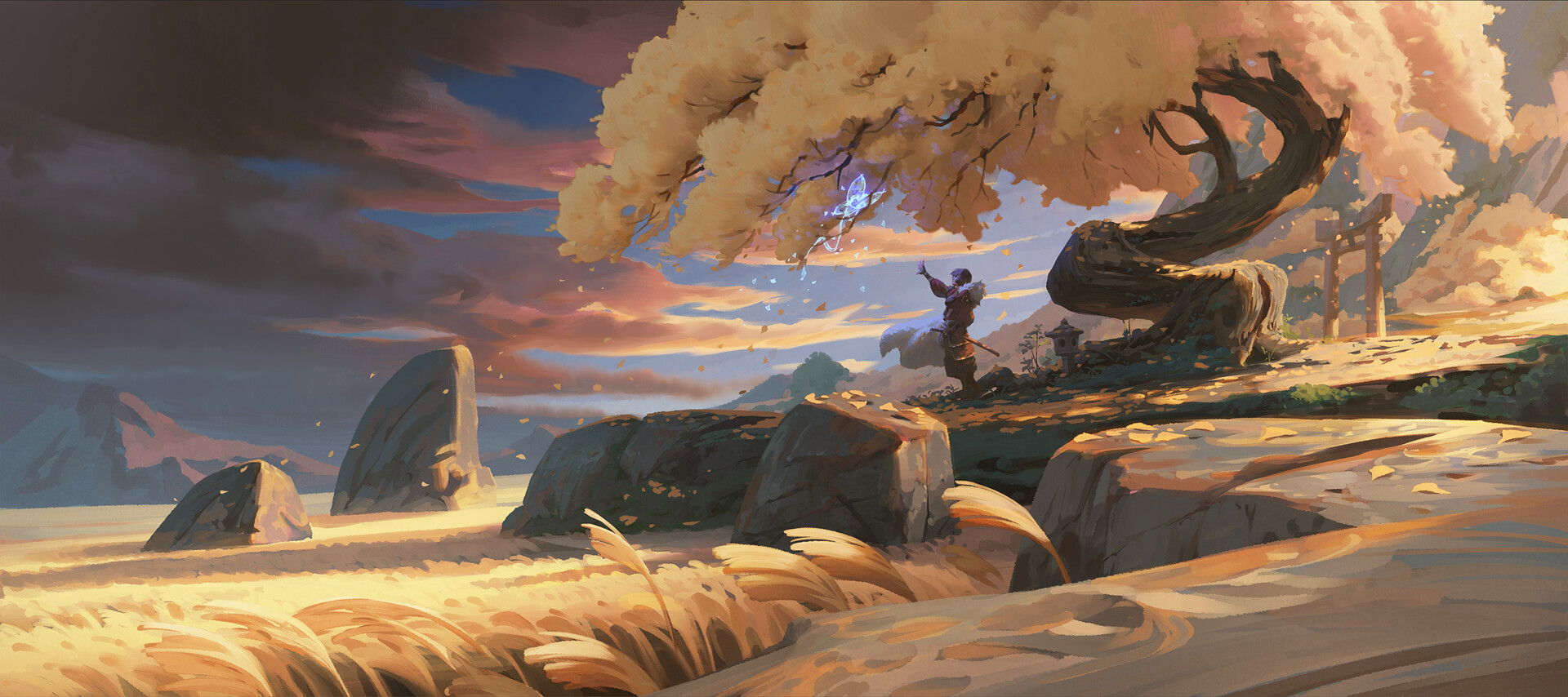
Opportunity begets riches, and with magick, endless opportunity abounds. The Ōkamis bear claim some of the most diverse and powerful Magisters in human lands. Artificers, Alchemists, Clockwork Engineers, Arcane Witches and Wizards are all commonplace in the retinue of Ōkamese Magisters. Drakelore is a more rare magick around the lands, but is seen slightly more commonly in these mercantile lands. Though rare, an Ōkami will employ the faith of other pantheons within the Enlightened and Umbral if it facilitates more gain for their exploitation and manipulation. This leads them to not being very powerful Magisters in Deific magicks, as one cannot serve both the Gods and Coin, as some say.
Unique to the Ōkamese Magisters of the Arcane, a special method of performing magick is conducted. As all magick of Arcane is through Arcane Tomes woven with Bound Eterna, the Magisters of these lands use a special sort of paper coming from boreal paper trees unique to the Pikewood Fringes called Hieratic Paper. These are written upon in beautiful calligraphy with thick ink of various colors referencing different Spirits from Ōkamese household faith, or larger more recognized Spirits. As all Arcane Tomes are written in different methods and languages of unknown origin, it is of great peculiarity that the Ōkami bear historical records to this language...
It is said that in their pursuit for power, the Ōkamis dabble in the acts of Necromancy, and even the never-seen myth of Simulacra sculpting. Even worse, some more impressive rumors claim that the accursed dark magick Necromancy has the Ōkami to thank for it's inception...
Others
"A quick smile and a artful choice of words can turn any enemy into a willing customer."
Dwarves: Most dwarves are rather annoying, but the Ōkamis are fond of the Glassaxes, if only for their similar mercantile mindsets. Where a merchant hailing from the Conglomerate understands the subtle nuances of trade, selling, making deals, signing contracts, bartering and social dynamics, a dwarf is seen to totally lack these skills, and are generally thought of as stupid, and lacking the mental capacity to match the skills their hands have been blessed with. No opinion is held over the Rimebeards, but the Ironfists have once been allied with the Ōkamis in times past against the Empire of Man; now, the Ironfists are allied with their once-oppressors, and as such are not on good grounds with the Conglomerate.
Elves: In the annals of history, the Sun Elves have waged war alongside the Empire of Man against the realm of Ōkami numerous times, and a hate founded in blood in both lands has cemented a strong sentiment between the peoples. The Moon Elves however are some of Ōkami's favored cultures in the lands, having fought side by side in many Great Wars. Where Sun elves are socially barred from Ōkami lands, and Moon Elves are welcomed with open arms, the Star Elves, as usual, are generally neutral, which lends to a more amicable situation with the distant Ōkami.
Humans: Of all the cultures and peoples in the lands, the Empire of Man is the most despised by Ōkami. Mortal enemies and usually opposed at all convenient opportunities, the bad blood between these two entities has ran fresh since the inception of the Conglomerate, though Ōkamis miss the days of yore where the Dragon Emperors led Mankind properly. The Gales are likewise disliked for their perceived nature of being a lapdog of the Empire. Volkar is a stalwart ally against the Imperial menace, and the unity between the Volks and the Ōkamis are a precious thing. Joagundr is nearby to Ōkami, and many attempts at close cooperation have failed, with the unforgiving ice being too much even for the boreal-accustomed merchants. Culiacán is sometimes seen as weak for their peaceful ways and not standing up to the Empire, but they are rich in trade due to their forced existence, and as such the money flows well between these lands. Ōkamis are baffled at their lack of desire and ambition, however.
Conclave - Mer: The Conclave are not viewed kindly by Ōkami; not because of their aggressive natures and brutish tendencies, but rather because they are often lacking in terms of valuables. A Mer does not take kindly to the wiles and ways of an Ōkamese merchant trying to lower the price on a pelt taken from Arumvex's Foley, and would much rather leave, or force the trade to get on with it. Merwin warbands often disrupt trade routes as well, much to the disdain of Trade Lords. The Ōkamis often employs Merwin as mercenaries however, holding little qualms with Mer in the theatre of warfare rather than commerce.
Conclave - Ophidian: The Ōkamis are often the closest thing to allies the Ophidian have. A number of notable Immortals are rumored to be Ophidian in nature, whether that be Ashen Ones or full Dragonborn. The sensibilities of the Ophidian tend to match those of Ōkami, albeit in natures of greed and money, rather than friendly commercial dealings.
Naming Conventions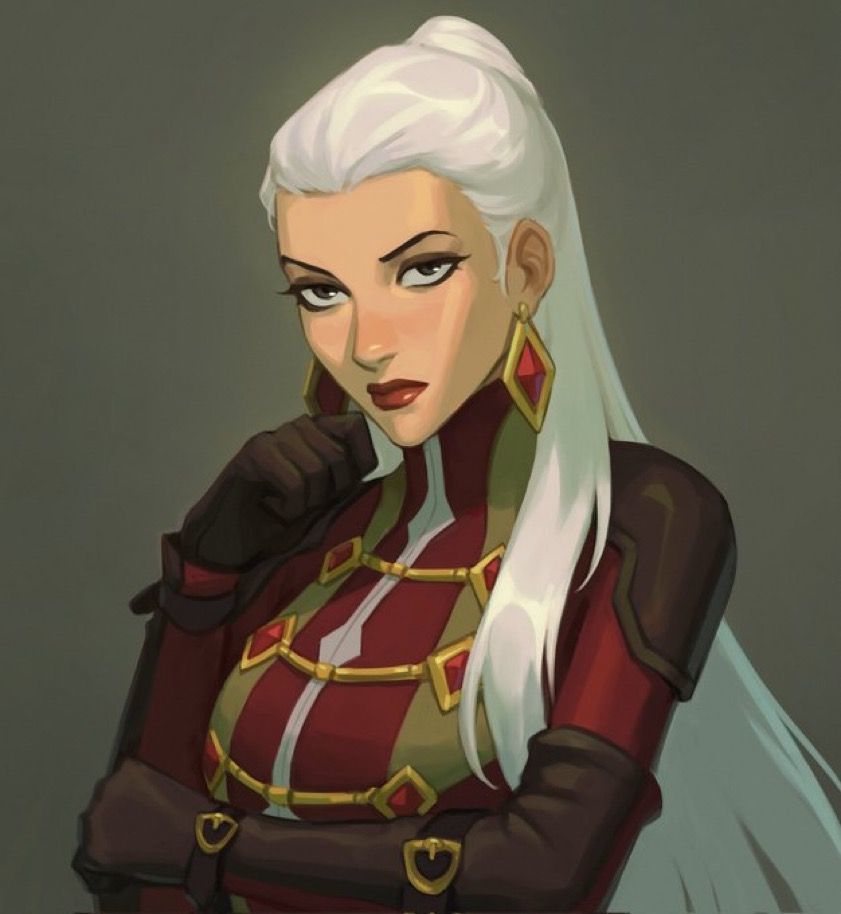
A unique naming scheme is seen in Ōkamese culture. They have a tendency for changing their middle name, as their middle name is tied to their occupation. Their first, is their given name, and their last is their family name.
- Example: Watanabe Shōnin Sakamoto.
- Watanabe is their informal name, which is used with their Home Persona, or Shokuba Karu
- Shōnin is their work name, literally their title. In this case, it is Merchant. This is what they are called informally during working hours, when donning their Katei Karu. More formally during working hours they would be called Watanabe Shōnin.
- Sakamoto is their family name, used by all.
Male Name Examples:
Hiroto Sato, Renjiro Suzuki, Kaito Takahashi, Akira Tanaka, Haruki Watanabe, Tatsuya Ito, Rokuro Yamamoto, Yujiro Kobayashi, Satoshi Kato, Noboru Yamada, Daichi Ono, Takeshi Ishikawa, Ren Saito, Shota Inoue, Yuto Kimura, Kenta Fujita, Sora Aoki, Renzo Nakamura, Koji Sakamoto, Hayato Tanaka
Female Name Examples:
Hana Tanaka, Yuki Nakamura, Sakura Kobayashi, Ayame Yamada, Kiyoko Sakamoto, Emiko Saito, Chizuru Fujita, Aiko Watanabe, Natsumi Ono, Kimiko Ishikawa, Reiko Suzuki, Tomiko Takahashi, Kaede Tanaka, Mei Nakamura, Rina Kobayashi, Sora Yamada, Yui Sakamoto, Aya Saito, Yuna Fujita, Mio Watanabe, Riko Ono, Mei Ishikawa, Asuka Suzuki, Nana Takahashi, Emi Kimura, Yuna Inoue, Nanami Sato, Saki Nakajima, Misaki Ito, Hinata Nakagawa, Rina Hasegawa, Kanna Mori
Middle names can be plugged into any of the above as per occupation.
Important Figures
The Immortals: The Ancient Eikyo are few in number but long in history, consisting of a band of immortal plutocratic rulers who's love for coin has the entire lands in their sphere of influence. As much mystery surrounds them as does valuables.
Trademaster Nobunaga Takahashi: A renown Trademaster for establishing what is now known as the GAMMP, or Generally Accepted Money-Making Principals. Great amounts of coin were donated secretly in her name towards various charities, and her innovative monetary policies spurred foreign trade to newfound heights. She is seen as the mother of modern day mercantile methods in the Conglomerate.
Ryōgun Ryoma Kurosawa: To most, Ryoma is known as the Tiger, a fierce military leader in an ancient age who was critical for establishing Ōkami as they are today. Marvelous is a common word used to describe Ryoma's tactics, as he had a innate understanding of the trade routes and movement of valuables throughout the entirety of Volantis. He was known for his martial combat, paired with unparalleled skill with the blade. It was Ryoma Kurosawa who abated the Empire of Man during the first Great Wars of Silken Steel. He fell during a final battle, which marked the first fall of the Conglomerate.
The Red Coin: Not to be confused with The Red Coin artifact, the group known as the Red Coin is a group of clandestine operatives (simply, assassins) who conduct covert resistance attempts against any distresses or errors in the world that effect Ōkami, which typically means the Empire of Man. If a major trade route through the Aranthas Desert is threatened by the overbearing greed of a Glassaxe Water Baron, the Red Coin make sure this dispute is resolved, in one way or another. At least, that's what they say. Strong adherents of the Zen'enkyō faith simply say that this is a result of trusting the coin.
Queen Green: A name which has been lost to time due to her insistence of moniker, Queen Green was an ex-Trademaster turned Immortal who was the ruler of the Jadis Trade Empire in the 4th age; such was the economic power of the Company that it was likened to a genuine empire, and ruled a large swath of other cultures without any need for military conquering, just coin. She was known for her ability to market astounding alchemical concoctions for the trade empire.
Soldier Queen Jizo Moto: The leader during the time of the Chaos Incursions, leading a monumental assault against the forces of Chaos, leading to catastrophic losses. Though she died in the battle, she later became a Patron Spirit of Ōkami.
Kurokage no Onmyoji: The leader of the blasphemous practice of Thanatonauts, mortals who were claimed to have a miraculous ability to revive from death. He is said to have gleaned something the gods did not want him to see, ending in the Onmyoji stealing his daughter's Soul Coin back from his debtors, but not before his own was exchanged unwillingly.
Iron Kenji: In a time of need, Iron Kenji rose to the challenge of besting a brand new automaton touted as being able to out work anyone, be it man or dwarf. It was Iron Kenji alone who carved the entire Nenkin River, besting the Automaton who carved a separate channel but could not finish before the time was up. Iron Kenji's heart beat its last as he lay before his creation, but it still beats on in the people of Ōkami, inspiring them to achieve the impossible.
Legends & Myths
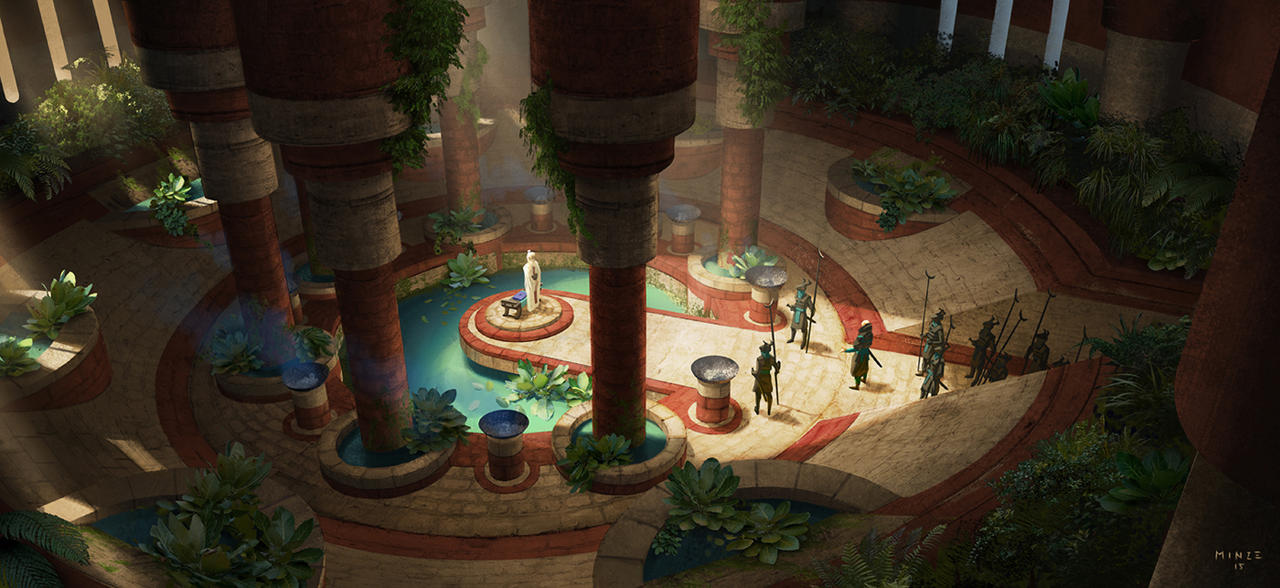
The Dwindling Immortals: There used to be a large number of Ancient Eikyo, but now their numbers dwindle for unknown reasons. All that is known is that the power within Ōkamese government is being reduced to smaller and smaller hands...
The Azure Phoenix: Very rare, and only seen by most in their daydreams, is the fable of the Azure Phoenix, of which is the Conglomerate's symbol, a representation of rebirth and renewal in their times past of wars with the Empire of Man. It is said that a single feather from the Azure Phoenix is capable of granting Magisters untold capabilities far beyond what a typical focus will permit, and potions brewed with ground Azure Phoenix beaks are said to grant people an additional lease on life. Or so the sayings go...
The Thanatonauts: The only banned action of magick in the Conglomerate, the Thanatonauts are a whispered group of occult Magisters who killed themselves to glean insight on the realms beyond. Their ability to resurrect themselves and each other has been studied but not replicated; this circumnavigation of the order of things is said to have spited the gods, creating an imbalance in the great Spirit Ledger which takes into account all Soul Debts. The Thanatonauts, along with their leader Kurokage no Onmyoji eventually just vanished, without a trace.
Dragon Raids: In a particularly prosperous time, during the Jadis Empire, various cities in the Conglomerate grew to such riches that their cities began to be set upon by dragons, who had heard rumors of their gold.
Yokai: A pervading sentiment of those who've traveled to the Pikewood Fringes is that they are truly haunted; a manner of ethereal and supernatural beings which stalk the night are believed to wander the cold south.
The Helmet of Ryoma Kurasawa: A red helmet with a large curving plume of green. Worn by the legendary Ryōgun Ryoma Kurasawa during the Silken Steel wars. It was on his head still when it was decapitated by an Imperial general. Supposedly, it is of Ardent, and can never be dented.
The Red Coin: The first Spiral to ever be forced upon Ōkami to be used, stained a permanent deep red with the blood of the Trademaster at the time who was forced to accept it, who cut their palm upon clenching the coin so fiercely it drew blood. Now, all Ōkamese coins are painted red in symbolism of their rejection of the Empire's perceived tyranny.
Shard of the Sun Coin: A holy relic of divine providence. It is said to bring blessings of warmth, vitality, and enlightenment to those who come into contact with it. The Coin holds little to no powers or magickal abilities, but instead is priceless; whoever holds this coin, can use it to pay for an untold acquisition, perhaps even a soul some whisper. It has been traded many times in history, and its current owner is entirely unknown.
Fang of Kinryū: A katana fashioned out of a fang of the Golden Archdrake, said to have been loosened and fallen from his mouth upon ingestion of the Sun Coin. The sword is claimed to be unbearably sharp, whistling through the air, and impressively light. Of all the mythical elements it has been claimed to posses, the most common myth is of it's ability to embolden the wearer in times of need to fight stronger and more boldly, confidently.
Shōbaimi's Gift: A clockwork machination in the form of a box that refuses to open, shifting and clicking to prevent all access. The box is claimed to have once been a core of arcane power, capable of providing an immense amount of unknown type of magickal power. Others claim it is an infinite space tucked inside clockwork, bearing unimaginable riches within. Unfortunately, none have been able to open the box to unlock said power in centuries, whatever the truth may be.
Tamashii no E-maki: A mystical scroll painting that seems to emanate a faint, otherworldly glow. Its surface is adorned with delicate brushstrokes that depict scenes of ethereal landscapes, swirling mists, and ghostly apparitions. At the heart of the painting, there is a mesmerizing depiction of a torii gate bathed in moonlight, symbolizing the gateway between the mortal realm and the world of spirits. As to the usage or purpose of the painting, none can say.
Festivals & Holidays
Night of Rising Lights
During the Dominion of Dawnstone
Heavily seen in the regions of Ōkamese influence, this tradition is often held in the form of a festival, where a celebration of the new year is held by setting a perfectly smooth stone within a roaring fire. The festival goers used to grab the searing hot stone from the fire themselves, but nowadays tongs are used and the stone quenched, symbolic of tempering one's desires lest their new resolutions be impulsive and forgotten.
Obakari
During the Dominion of Stormharrow
Obakari is a festival of remembrance and reflection held during the transition between seasons. People create elaborate altars adorned with shimmering crystals and fragrant flowers to honor departed ancestors, inviting their spirits to join in the festivities through offerings of music, dance, and poetry. Held on the night of the brightest stars in the sky, they release enchanted lanterns by their crafted altars into the night sky, each carrying wishes and dreams to the heavens and thought to either contain Spirits or bring offerings to them, while engaging in storytelling and stargazing contests.
Grand Merchant Gala
During the Dominion of Soluary
The largest trade gathering rivaling the Golden Sand's Fair the Glassaxes put on in Azbar, the Grand Merchant Gala is a wonderful time of the Dominion for the entire wares of Ōkami to be showcased on full display, as well as all across the realm to come visit and see for themselves. Fantastical magickal showcases with offerings of enchantments afterwards, sports and events with an exotic menagerie, food and dishes of only the finest cuisine, artisan works and competitions, and anything one can dream of happens at the Grand Merchant Gala.
Harvest Moon Banquet
During the Dominion of Somerset
Taking place under the light of the harvest moon, the Harvest Moon Banquet celebrates the abundance of the autumn harvest provided by Shōbaimi. Families and communities gather in open fields adorned with colorful banners and lanterns, feasting on a bountiful spread of seasonal delicacies and sharing stories of gratitude and prosperity.
Aurora Revelry
During the Dominion of Icewind
Inspired by the celestial phenomenon of the Aurora Bridge, the Aurora Revelry is a dazzling spectacle of light and color that illuminates the winter skies. People gather on snow-covered hillsides, adorned in shimmering cloaks and masks, to witness the dance of the northern lights and celebrate the magic of the winter season.
History
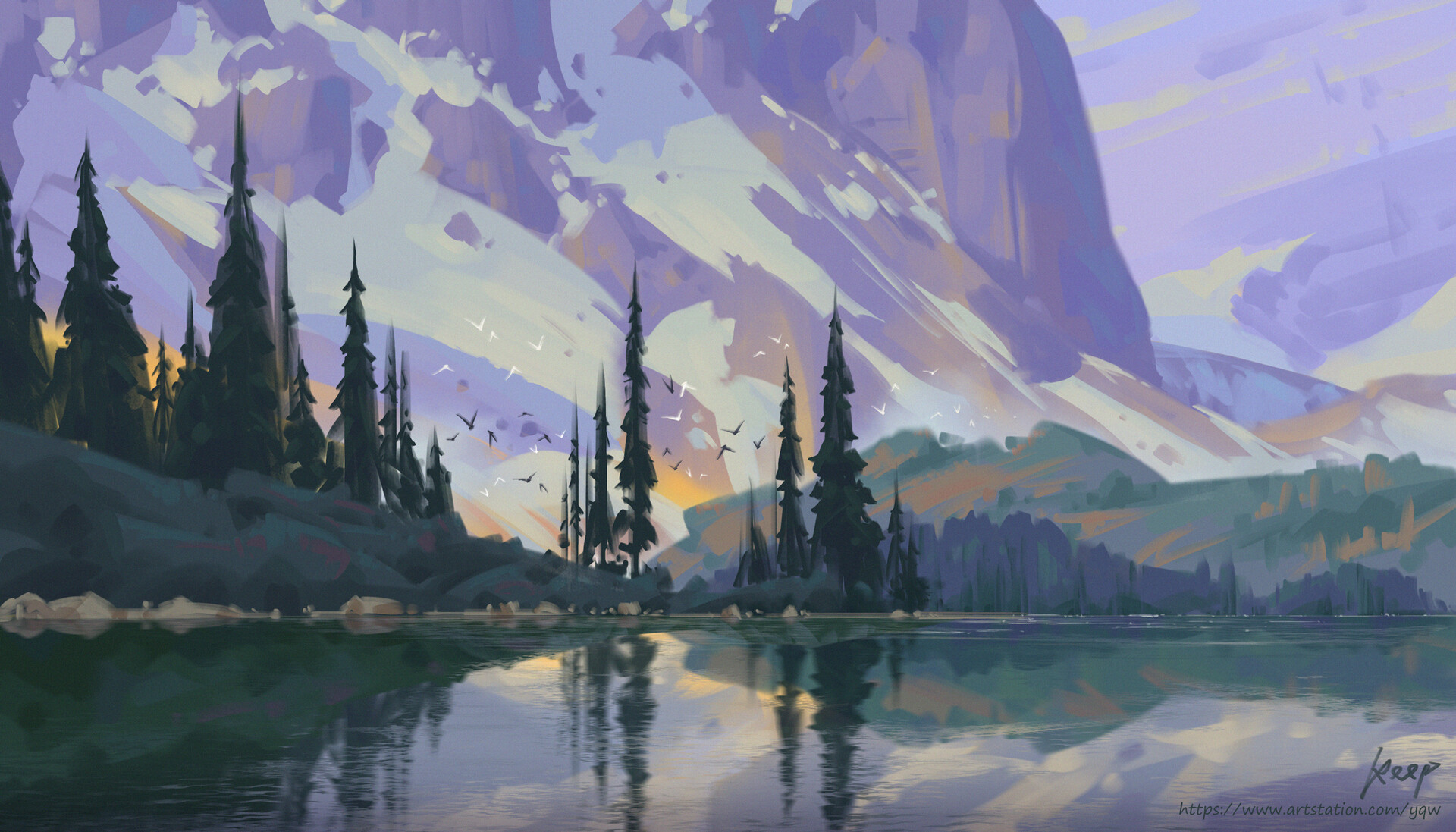
Synopsis: Ōkami was born in the early Third Age, the Age of Legend. Where all human nations (barring Joagundr) were formed in the late 3rd-early 4th Age, the Ōkami were born in a rather early time frame. It is believed that the realm of Ōkami were first settled by Imperial court alchemists who were self-exiled because they did not want to return and be tortured and executed for coming back empty handed, as theirs was the task to concoct an elixir of immortality. Drawn to the Ōkamis' reverence for gain and the secrets of the natural world, the Moon Elves offered their mentorship and guidance to aid their struggle against the Empire. They began trading in shady deals and secrets. Under the tutelage of the Moon Elves, the Ōkamese people honed their martial skills and delved into the mysteries of magic and nature. They learned the art of wordplay and deception, the secrets of herbalism and alchemy, hints of magick, and the ancient wisdom passed down through generations of Moon Elf sages.
Armed with this newfound knowledge and imbued with the strength of their ancestors, the Ōkamese people waged a guerrilla campaign against the Empire, striking from the shadows and outmaneuvering their foes at every turn. With each victory, their resolve grew stronger, fueled by the dream of a future free from tyranny and oppression. The Moon Elves were keen on aiding any who would oppose the Empire, as this meant an indirect opposition to the Sun Elves. In a climactic battle that would determine the fate of their fledgling nation, Ōkami faced the might of the Empire's forces on the outskirts of the Lauttersänger Plains. With the Moon Elves at their side, they unleashed a devastating onslaught of magic and martial prowess, shattering the Empire's iron grip and securing their independence once and for all. This would mark the first time since the Age of Scales and the Chaos Incursion that any outside threat had broken the Empire's might.
Though the scars of war would linger for generations to come, the Japanese people emerged triumphant, forging a new destiny for themselves as masters of their own fate. Guided by the wisdom of their Moon Elf mentors and inspired by the spirit of freedom that burned within their hearts, they embarked on a journey of self-discovery and cultural renaissance, embracing their unique identity and heritage as they carved out a place for themselves in the annals of history.
During the Fourth Age, the Age of Destiny, Ōkami go under the tutelage of a new master, that of scale and talon; an Archdrake, fully cementing their position against the Empire of Man. Before long, the Ōkamis and the Moon Elves fight a Great War of Silken Steel against the Empire of Man and the Star Elves, similar to the wars of their liberation, but this time initiated by a spurned Empire, who wishes to show who is the true leaders of Man. The Galenean fight on the Empire's side, Volkar on Ōkami's side. A horrific war by all accounts, the side of Gilded Shield best the side of Silvered Paths. The Empire wins a pyrrhic victory, and Ōkami give up a large swath of land to the Empire, moving their capital. During this war, the shackles of the Archdrake are shaken, and the Immortals rise to replace them. Before long, these Immortals would being a more subtle rule of the realm, growing Ōkami to a newfound height surpassing their pre-Great War state, without inciting any retribution from the Empire due to their dire need of Ōkamese supplies.

Last edited: 5 months ago