

The City-State of Culiacán
"Wine of Rain."
Synopsis
Seat of Power: Port Marabella, Bridge Delmar, Sapphire Bay
Part of: Empire of Man
People Name: Culias/Culia
Adjective: Culiacáni (A Culiacáni sword)
Religion: Yukiwaism
Language: Culia Sarword (Spanish English)
Introduction
Nestled in the cradle of the Sapphire Bay, the idyllic Bridge Delmar is home to many exotic life not seen elsewhere on Volantis; tropical heat and weather foster a blossoming ecosystem directly beside the desolate and arid Tené Brine Desert. Most notable of all are the easygoing citizens of Culiacán, a people who care more for their food and drink than they do their pockets and estates. Founded from their geographic position between the Interior and the Aranthas Desert, the once tribal Culias found themselves forced into a position of prosperity, advancing quickly into a valuable trade location along the Bridge Delmar, the only landmass between some of the major trade nations of the land. Even with their newfound riches and inherited responsibilities, most of the Culias do not pursue much ambition in their lives. Theirs is the joy of simple pleasures, whether it be fishing within the Sapphire Bay's lapping waves, Sailing upon their Salt Skimmers within the Tené Brine Desert, or imbibing upon aged wine with family.
Every moment is an invitation to savor the simple joys of existence, where the rhythm of life beats to the tranquil melodies of the sea and the gentle sway of palm trees. The ethos of this culture revolves around the belief that true fulfillment is found in the unhurried pursuit of one's passions, unencumbered by the constraints of worldly concerns. Here, the ideal life is not defined by the burdens of duty or the weight of obligations, but rather by the pursuit of relaxation and the mastery of doing nothing with effortless finesse. Out of all of the lands of Volantis, with all of its dangerous Magicks, roaming monsters, restless adventures hunting for priceless artifacts for their supposed Gods, the lands of Culiacán are the simplest, and some would say, the happiest. Idle hands lead to trouble, however, and many a Culia has found themselves caught up in things far beyond their scope, or brought unfortunate tidings to their homeland.
Physiology
The Culias are typically smaller than the average human, with men averaging at 5'5" and women at 5'2". Their skin is typical of their coastal environment, sporting darker skin tones like brown, copper, and deep tans. Average weights for a Culia male is 160 pounds, and 130 for a female. Their eyes can often be said to sparkle with the light of the Sapphire Bay, with characteristic Culiacáni eye colors being blues, with browns and greens being seen as well. They keep their facial hair trimmed and slight, though they have a love for large mustaches. They are a bit lighter build-wise than the average human, and their hair is often black.
Fashion
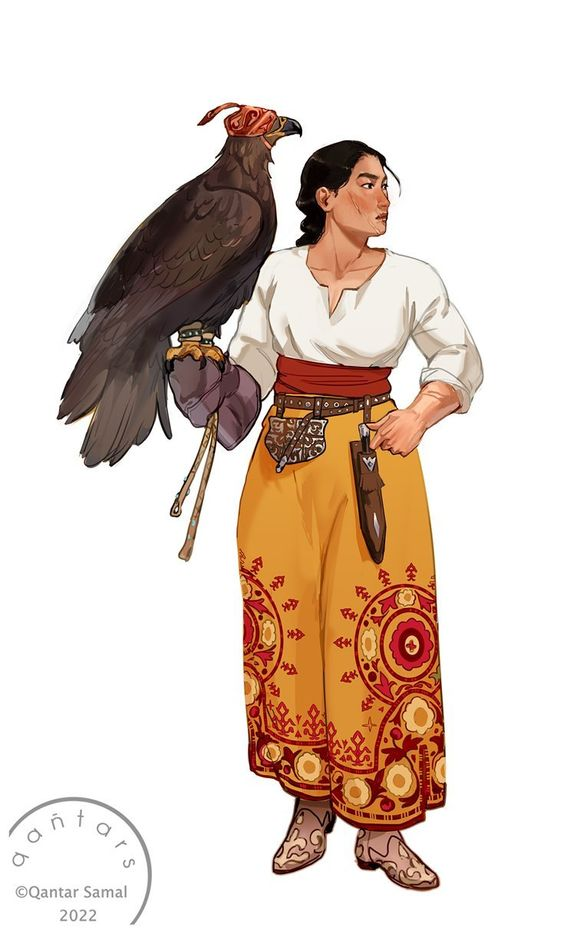
"You can't enjoy life without proper clothes!"
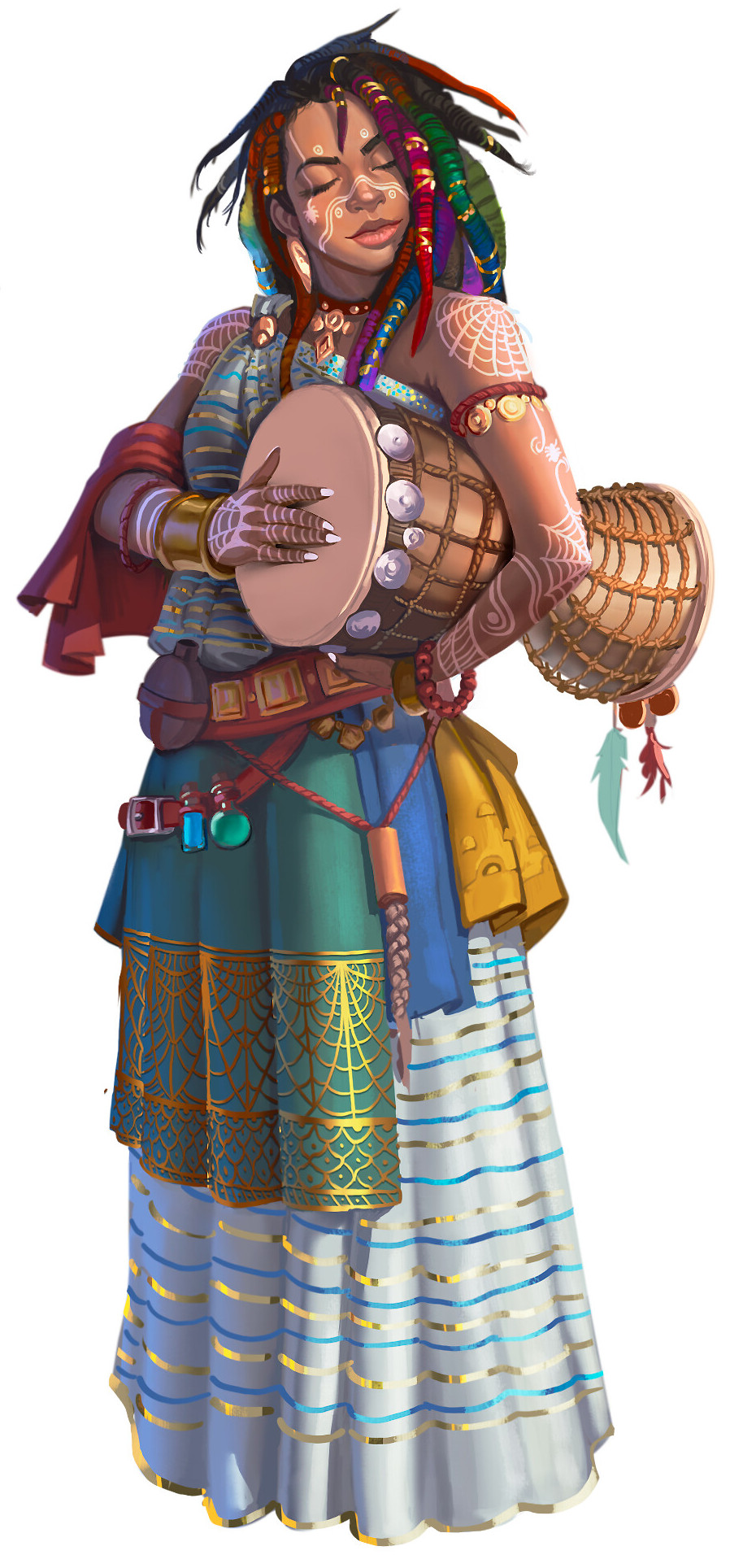
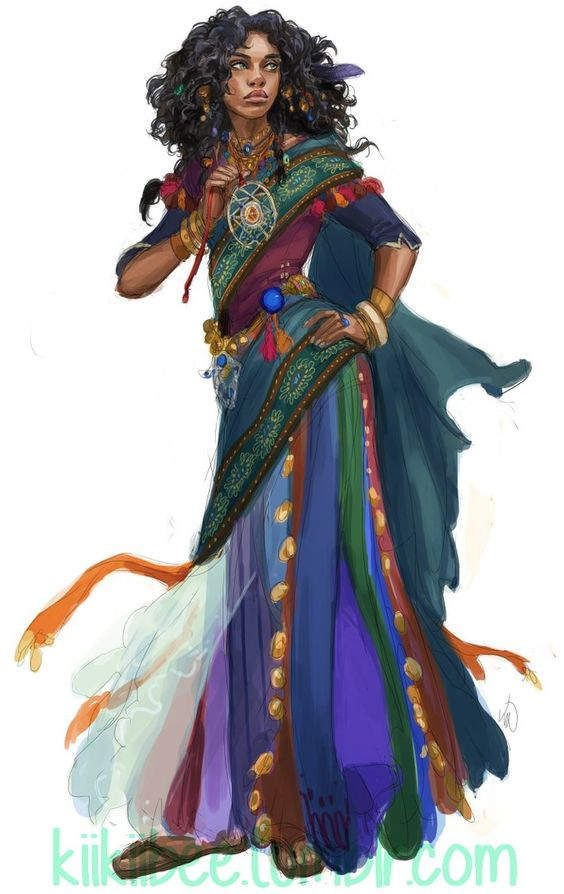
At the heart of their sartorial tapestry lie brightly colored shirts, reminiscent of the azure skies and sun-drenched landscapes that paint the backdrop of daily life. These shirts, adorned with lively patterns and intricate designs, serve as a canvas for self-expression, allowing individuals to showcase their vibrant personalities with every stitch and seam. Bare feet or sandals are their footwear of choice on their tropical lands, fit for both land and sea. Most of their cloth is woven as a very thin poplin, a crossed weave typically for winter wear, refashioned in the City-State for their hot environment. They love the colors of orange and blue primarily, with some purple thrown in as secondary accents, and orange tertiary.
In keeping with the laid-back ethos of the culture, attire tends to be loosely fitting, allowing for maximum ease and flexibility. Ponchos and serapes, with their relaxed silhouettes and earthy tones, provide an added layer of comfort and style, perfect for cool evenings spent lounging beneath the stars or strolling along moonlit beaches. Numerous fabrics are employed, like cotton and linen, as well as barkcloth, sisal and palm fiber, with a unique weaving pattern shown as a cascading or pleated design for a waterfall effect. A surefire way to know whether or not you are in a Culia settlement is to see men in ponchos or shawls with straw hats sitting in wooden chairs on the beach, fishing in the middle of the day.
Seashell necklaces, feathered earrings, and tropical flowers woven into hair adornments add a touch of whimsy and natural beauty, with the most popular piece of jewelry being any object of polished glass in the shape of a raindrop, carven with a smile to represent Jarkahada, their God of Happiness and Rain.
They tend to keep their hair straight, rather than put up, and usually long, even for the men. Both men and women frequently put their hair up into ponytails in a braided fashion to mimic not spheres but elongated rain drops, weaved over each other.
The Culias are the most avid users of Brinesteel, an alloy of Emperium which holds a unique damascened pattern in wavy fashion. It rusts in such a fashion that rather than an orange oxide, a type of salt precipitates out of the material and is shed. They incorporate it into their jewelry as both objects and frame, holding various items of importance like precious seashells or items of sentiment. Hemp from various plants are used in their clothing, as well as the leathers of their lands such as from the Kriloo. Marinus Crystals, while expensive, are seen most commonly in the Sapphire Bay and find their way into Culia religious iconography.
A small religious note for them is the feature of magnetic beads in their clothes, which are subtly drawn to their magnetic statues as they pass. They view this as a reminder of Duende, Muse of Creativity, who inspires all to art and creation. Another is that most will carry a sliver of Jarkahada's Tear to ensure that, even though their culture is under the eye of the Sun, their spirit is not taken by that pantheon, but rather kept in the pantheon of Jarkahada. The larger the Tear, the more of one's soul is said to be preserved into the afterlife.
Values, Attitudes, Taboos, Morals, and Beliefs

"Culiacán is governed by Lagom: the principle of living a balanced, moderately paced, low-fuss life."
Embracing an easygoing and slow-paced existence, individuals prioritize the pursuit of leisure and contentment over the relentless pursuit of material wealth or status. Life is savored like a fine wine, with every moment cherished and enjoyed to its fullest. A Culia is less concerned about their trade routes being profitable and moreso how the money can be used to buy more wine and cheese. Some might say they are a product of the times, and stuck in old ways, but the Culias value the old ways, simply existing.
Most Culias, if they ever leave their homeland, do so for fun. They enjoy traveling, but a number of them don't do so because of how content they are with their current establishment. Those who are greeted by a traveler, or are fortunate enough to visit the City-State itself, will be taken aback by the large number of smiling faces that greet them. The Culias are some of the most hospitable people in Volantis, having often accepted refugees from across the continent from various great wars and cosmic cataclysms.
 Central to the values of the culture is a deep appreciation for the joy and vitality of existence. Rather than being consumed by the pressures of productivity or ambition, individuals revel in the simple pleasures of everyday life, finding fulfillment in the beauty of the natural world and the warmth of human connection. Harmony and balance, explore one's true potential, discovering their roots, and continuing their journey of self-discovery are all common goals of those in Culiacán.
A Culia is a horrible planner. Laissez-Faire is their name, and trying to schedule a meeting with anyone in Culiacán can be a great feat, as they may have decided that the weather was wonderful that day, and it would be perfect for training the cormorants for fishing.
As nice as this all may sound to an outsider, those who deal with citizens of the City-State can grow frustrated with the average Culia's inability to put proper respect on things. One saving grace for others (but not the Culiacáni people) is that even in their bliss, the average Culia can be prone to worrying. Ironic, that the happier lands of Volantis are riddled with people fraught with concern and worry, but the feeling is not dramatic. It often manifests in small gestures, such as checking in on friends frequently, quadruple-checking to ensure their day is planned accordingly (of which they will end up ignoring their schedule) and numerous safeguards for their home. They also greatly dislike conflict and confrontation. Many poor political decisions have been made by the Ibex King and various other important figures simply to keep the peace.
What one may be surprised to hear is that this lifestyle requires a lot of restriction to upkeep. They have many taboos, which revolve around anything that disrupts the delicate balance of life or detracts from the enjoyment of existence. Excessive greed, selfishness, or aggression are frowned upon, as they threaten to disrupt the tranquility and harmony of the collective.
Family
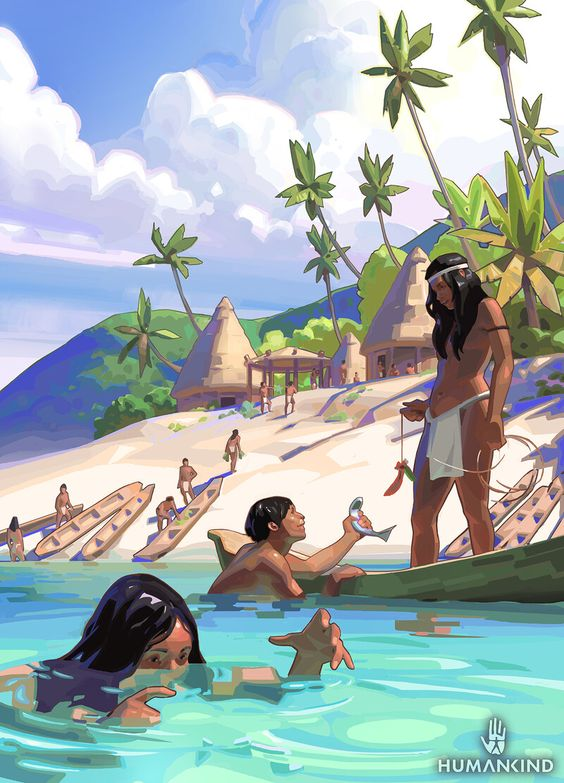
Culiacán has a culture of strong interconnectedness amongst its families. Often, families live together in one building or a small section of a village, rather than kids leaving out for their own adventures. The pace of family life mirrors the slow and easygoing rhythm of the culture, with time spent together cherished as a precious commodity. Whether it be sharing meals, engaging in leisurely activities, or simply enjoying each other's company, families prioritize quality time over quantity, savoring each moment spent in one another's presence.
Respect for one's roots and heritage is instilled from an early age, with families taking pride in their traditions and cultural identity. Culia Elders are revered for their wisdom and experience, serving as pillars of guidance and support for younger generations as they navigate the journey of self-discovery. The interconnectedness of family members is celebrated as a source of strength and resilience, with each individual contributing to the collective well-being of the household. Responsibilities are shared, and mutual support is offered freely, creating a sense of unity and cohesion that transcends blood ties. Families are viewed not just as biological units, but as nurturing environments where individuals find solace, support, and a sense of belonging.
When a family is in unrest, great worry falls upon the brow of a Culia. Despising conflict, many will settle in poor family situations rather than leaving out for better pastures. Fortunate for them, their passing foreigners through the Bridge Delmar will often give encouragement to spur their life on, reminding them that their fate is to find themselves, not that of their family.
Work & Trade

In times past, the Culiacán City-State was a semi-nomadic people who herded beast of burden throughout the upper half of the Interior, before settling by more or less force on the Bridge Delmar. With this history do they keep their working traditions, with many herds seen roaming still around their prosperous ports.
One would imagine that a Culiacáni worker is lazy and laid back, but just the opposite is true. The Culias are some of the hardest working men and women in the lands, which some say is their secret to enjoying the slow life so much. Typical jobs for a working Culia include mercantile work, artistry, wineries, food creation of various kinds, extensive fishing and aquaculture work, seafaring, shipwrights, and more nefariously, pirates. Culiacán has a retinue of alchemists, but they tend to be of a more herbal and down to earth variety than those of the Ōkamis who are always seeking the miraculous potion of immortality. A Culia culinary artist is said to be some of the finest in the lands, rivaling that of the Gales. Cultural exchange has been strong with their neighbors in the Aranthas Desert, as the classic Culia bone-inlay style of furniture and carpentry has been embraced by the Sun Elves and ran with; of which the Culia were taught by the masterful carpenters of the Mer.
Important items of export include the fabled Jarkahada's Tear, a magickal gemstone said to come crashing down when the Goddess of Rain break out into a fit of jubilant laughter. Marinus Crystals are nearby and harvested with special diving setups and ancient dwarven diving bells gifted in olden trades, and Brinesteel armaments, tools and components are signature of Culiacáni ports. Thought Sponges, a sentient and horrific mobile aquatic creature is harvested in the Sapphire Bay and is useful for both exotic leather tanning as well as alchemy.
Religion
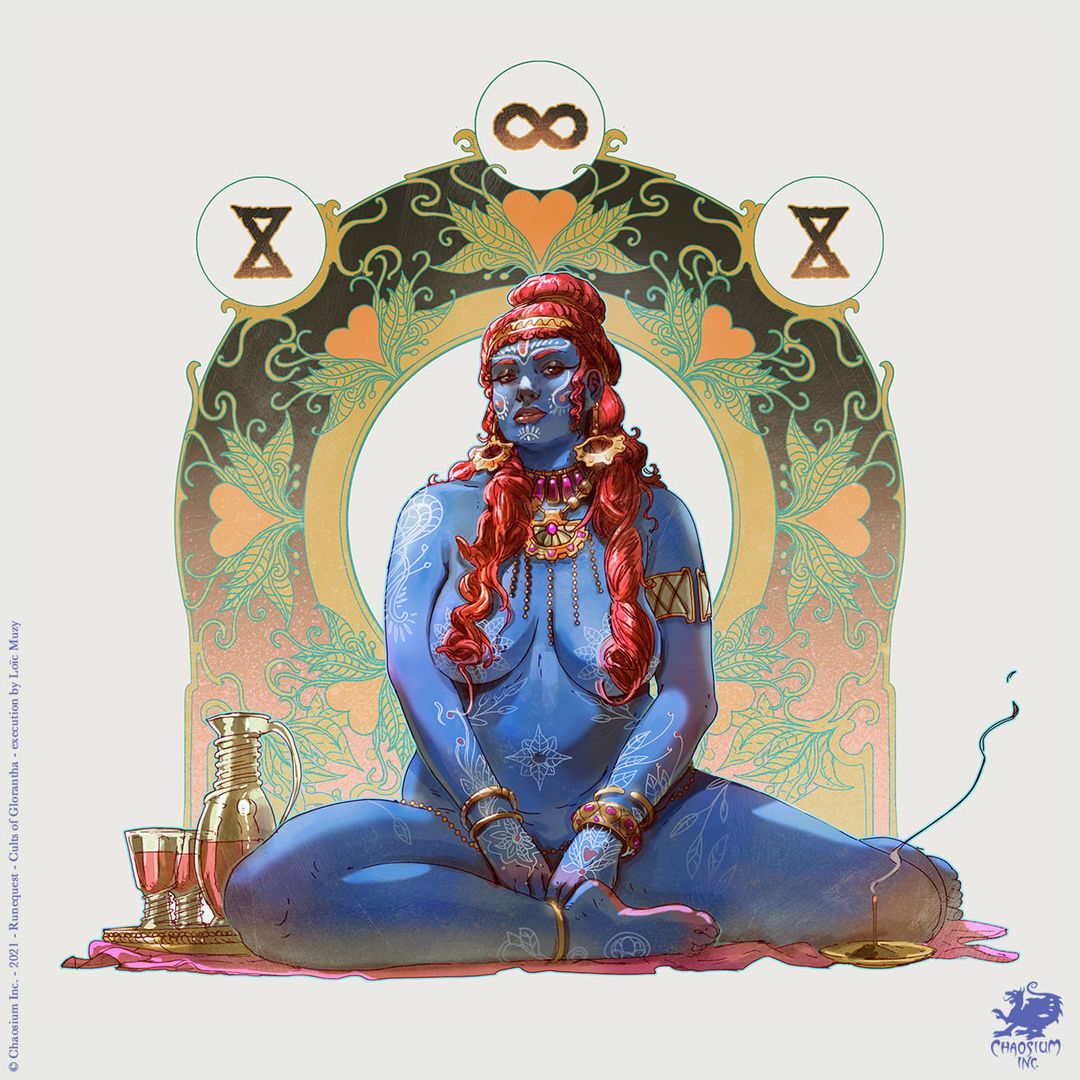
Culiacáni faith is called Yukiwaism, and is more expansive in their number of Gods than most human cultures.
Central to their faith is their main god, Jarkahada the Risible, Goddess of Happiness and Rain. She is viewed as a humanoid of pure blue skin and red hair, coated in golden jewelry and white luminescent tattoos. From The Risible does flow all water and joys of life, the ability to enjoy, to want, to wonder. She represents the sweetness that life offers, and the love of existence. She is said to smell of gold and honey, as well as the smell of all things endearing. The Goddess of Rain is said to have made the moon as an eternal found of water for the once desolate world, and from it does flow all rain, rivers and oceans.
Next in their faith is the chaotic God of Storms, Sea, Earthquake and Volcano. He is the Taker of Ships, Charter of Typhoons, the Lord of the Seas and the God of all Beasts. His name is Tormentario. He is revered, rather than opposed, and worshiped out of an awe-filled fear. Tormentario must be appeased for a sailing upon the seas to be fruitful. For while man may have claim over land, it is Tormentario who owns the sea. Many a ship has been sunk in the absence of a prayer of appealing to the Storm God. The Charter of Typhoons is seen as a tall man with the head of a horse and dark skin, touting a javelin of Divine power. Tormentario employs the aid of his Celestial Whale, a divine beast of both eternal wisdom and profound power. He is Yúka, the Wind Whale, and many a sailor has been granted his enlightenment to find their way home. Yúka once bore the weight of the formless world upon his back, before being relieved of that duty by Jarkahada.
Less worshipped, but still predominant in the faith of Yukiwaism are the twin sisters born from not procreation but from the divine intimacies of Jarkahada's eternal life well lived. They are Duende and Derecho.
Duende, Muse of Creativity, embodies the essence of artistic expression and creative inspiration. She is depicted as a radiant figure with flowing golden hair and eyes that sparkle with boundless creativity. Duende is the patroness of poets, musicians, dancers, and artists of all kinds, inspiring them to reach new heights of expression and innovation. She is said to whisper melodies into the ears of musicians, dance in the dreams of dancers, and weave stories into the minds of writers. Duende's presence is felt in moments of inspiration and artistic revelation, guiding mortals to tap into the wellspring of creativity that flows from the divine.
 Derecho is the Renegade God, Goddess of Freedom and Justice. Derecho defies conventional norms and embraces the untamed spirit of rebellion. Unlike her sister Duende, who embodies order and harmony, Derecho is a fiery and rebellious figure, known for her fierce independence and unyielding pursuit of freedom and justice. Derecho is depicted as a bold and daring figure, with fiery red hair and eyes that blaze with determination. She is the patroness of pirates, outlaws, and anyone who stands up to the face of tyranny, inspiring them to challenge authority and defy the status quo. Derecho is revered by those who live on the fringes of society, fighting against oppression and injustice with cunning and resourcefulness.
Not all gods in the Yukiwaism Pantheon are viewed fondly, however, as some are in direct opposition to the Lineage of Jarkahada.
Though Tormentario is a God of inherent chaos and is revered, there exists a god of orderly alignment which the adherents of Yukiwaism detest. It is that of Guabancex, She who hides behind the dreadful Sun, Goddess of Sorrow and the Lost, the Golden Skeleton, Gilded Cadaver. The Goddess of Desolation's overbearing gaze and relentless heat drains all of their lifeforce, a slow death that has incited many droughts upon the land. Guabancex hides behind the sun, which is Her protector and Her demonic pet, Ixchelzin the Sun Beast. Ixchelzin is represented as a Celestial Lion, carnivorous and feeding off of those who's guards are down and enjoying life.
Their story is as such.
When Jarkahada waded out of the formless waters, she came across a floating landmass riding upon the back of a colossal Whale, who was Yúka, the Wind Whale. Having seen no other being thus far in either of their journeys, a peculiar encounter occurred, where the Wind Whale smiled at Jarkahada. This humorous sight of a divine smile caused a laughter from the Goddess, one of such life and joy that tears flowed from her eyes. These did not mingle with the sea, but instead found their way upon the landmass on the Wind Whale's back, and seeded the first life of the world as we know it. Seeing Jarkahada's attachment to the land mass, an exchange was made; Jarkahada would be granted the formless plane of mud that was the Mortal Realms, and Yúka would be given a new burden to bear, as was his nature. Jarkahada fashioned unto him the Moon, Her eternal wellspring of lifewater, and placed it upon his back so that he may ferry it throughout the celestial sea.
Jarkahada began to nurture and foster the world, and before long many civilizations grew. Unto this world she gave the blessing of rain, drawn from the Moon upon Yúka's back. From this act of creation was such an enjoyment fostered within Jarkahada that her two twin daughters, Derecho and Duende were born. Not all was well however, for before long the ruler of these celestial seas came to see what was going on in the sphere Jarkahada has fashioned. Tormentario, God of Sea and Storms, found the Mortal Realms within his celestial sea, and began to influence it with his Chaos. Natural disasters of all kinds, such as typhoons, earthquakes and eruptions scarred the world, but unknown to Tormentario was the existence of Man below. Duende and Derecho took flight immediately, combating Tormentario with a fierce abandon, unwilling to accept the destruction of her mother's most prized creation. A great battle of mythopoeic magnitude was waged, with Tormentario eventually besting Derecho. It was Duende who directed the baleful eyes of Tormentario to the world below.
Mankind as well as the other races were seen far below in the Mortal Realms, and death was dished out with abandon because of the Chaos of Tormentario. A turning of his ways was taken, and the harrowing event ceased for the good of all. 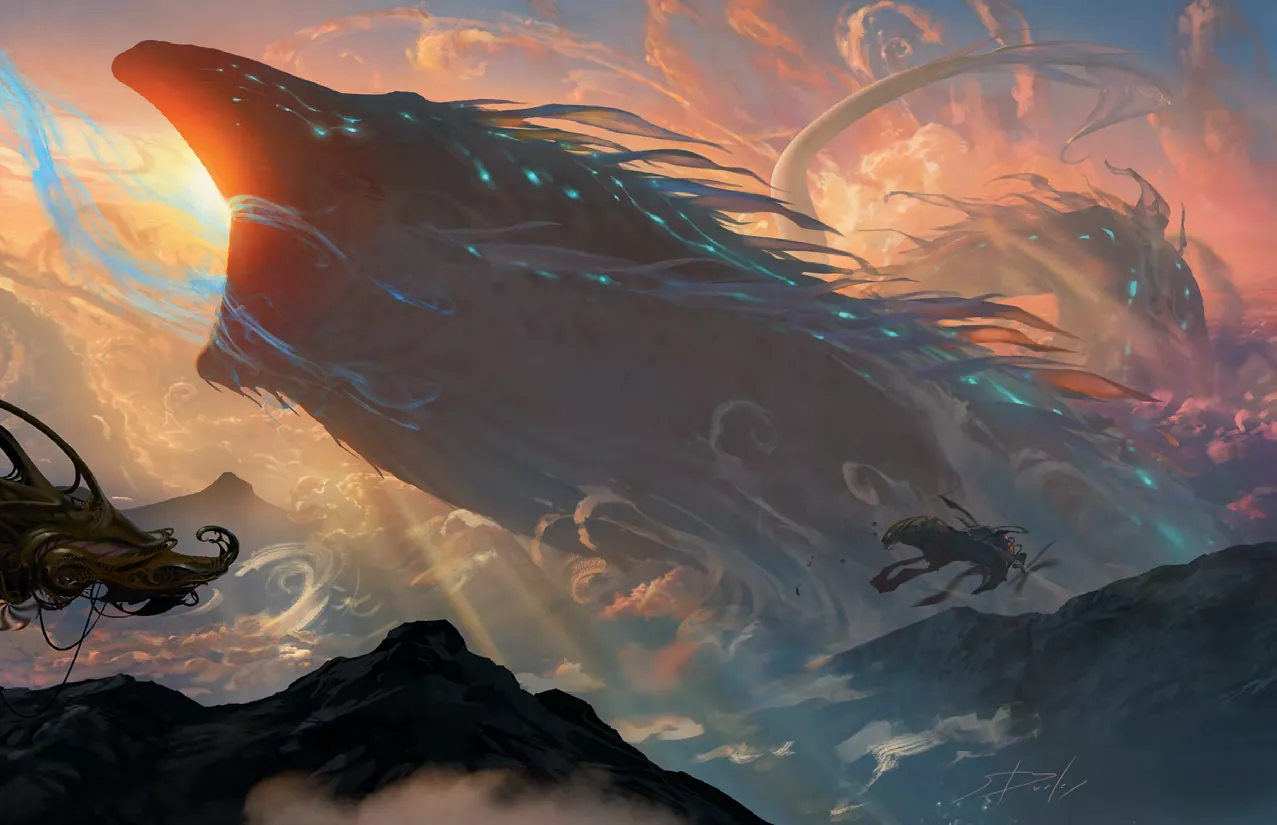 All was good for a time, with the world continuing to foster under Jarkahada's guidance, and her Daughters' inspiration, and the lack of destruction from Tormentario. Before long however, the world that was governed only by Moon, suddenly gave way to a world governed by Sun. From the celestial sea did the Sun appear, unknown in origin and purpose, and began sapping away the energy and water of the world, bringing an age of drought upon the lands.
It was discovered that Guabancex, the Golden Skeleton, had entered the scene with her Divine Demon Ixchelzin, the Sun Beast. An Eternal War began on that fateful day, such that the Divine Lineage of Jarkahada and the aid of The God of Storms and his Divine Beast. Round and round the world they go upon the celestial sea; so long as they continue to battle, the followers of Jarkahada and the ways of Yukiwaism are safe to enjoy a life of plenty and rest. Should the Celestial Lion ever best the Wind Whale in combat, and the Golden Skeleton claim victory over The Goddess of Rain and her kin, the world would be plunged into an eternal sunlight, with a heat so unbearable that none would have any sweat left to aid the heat, and the soles of their feet would burn with every step in the land, eyes burning in their heads.
As for afterlives, the Culias hold beliefs as such.
When a Culia's life finds it's end, whether fortunately easy or marked by strife upon the high seas, their soul is whisked off unto the Marakaí Spirit Isles. This sailor's paradise abounds with fertile soil where the wine grows without effort, the ground yields its bounty without work, and an endless ocean dotted with lush archipelagos teeming in flora, fauna and untold riches to be plundered and enjoyed without the unrelenting ire of the sun. Within these archipelagos resides the deceased's loved ones, though they must sail upon the high seas to find them in waiting. In any of these isles may residents reconvene with loved ones and relish in the sights and sounds of an eternal carnival. Music, dance and feasts abound as the vitality of life is now celebrated eternal in story everlasting.
Agriculture & Cuisine

Being in the Sapphire Bay and its tropical biome, the biosphere the coastline has to offer is extensive. An expansive crop diversity is garnered even in their more arid desert locations further inward. Staples like rice, yams, cassava, and sweet potatoes, alongside a variety of fruits such as bananas, mangoes, pineapples, and papayas make up their agriculture. Sugar cane, coffee, cocoa, and spices like nutmeg and allspice are common as well, as well as tobacco. A bit of terraced farming is seen in the interior of the Bridge Delmar, sprinkles amongst the araucaria pines.
As for animal husbandry and floral herbology, a number of notable creatures and plants are seen in these lands. Kriloo are desert-bound cattle that store water in their great horns, and are milked of a highly rich milk which does not spoil in the sun. Merino Rockwool from the signature Rocksheep are raised in the more coastal regions. Though the interior of the Bridge Delmar is more desolate, when a desert bloom occurs, a great deal of herbs abound for both cuisine and herbology, and even alchemy.
Paired with their status as the major trade hub of the northern half of the Interior, a great deal of cuisine specialties come through the ports of Culiacán. They renowned for its bold flavors and vibrant spices. Common spices include ginger, garlic, scotch bonnet peppers, thyme, and allspice, which infuse dishes with layers of complexity and heat. Rum holds a special place in the culture, with locally distilled varieties enjoyed in cocktails like rum punch, mojitos, and piña coladas. Rum-infused desserts such as rum cake and rum-flavored sauces are also popular indulgences. Tiswin drinks, as well as Calabash with wine in it are adored.
Fresh fish, shrimp, lobster, and crab are staples, prepared in a variety of ways including grilling, frying, and stewing. Dishes like seafood curry, grilled snapper, and conch fritters are beloved favorites. Tropical fruits abound in the cuisine, both as ingredients in savory dishes and as sweet treats. Fresh fruit salads, fruit juices, and desserts like coconut flan, mango sorbet, and pineapple upside-down cake showcase the natural bounty of the region.
A staple dish of the culture is rice and peas, made with coconut milk, kidney beans, and aromatic spices. It is often served alongside grilled or stewed meats, providing a satisfying and flavorful meal. Jerk cooking is a culinary tradition rooted in the culture, featuring marinated meats (often chicken or pork) rubbed with a spicy blend of herbs and spices, then grilled or smoked over pimento wood.
A very intriguing skill seen in Culiacán is that of Avian Fishing. As the Culias view fishing as more recreation than supplying, they have managed to train birds to fish for them. Two main species of birds do this, the Diving Cormorant and the Broadbill, a type of Pelican. These two birds help the fishers of Culiacán acquire both fish hidden in the deeps as well as fodder fish on the surface, respectively.
Further inland, though, is the Tené Brine Desert, which is devoid of nearly all life. One of the least biodiverse locales in the continent, this restricts the availability of locales for the Culias to harvest.
Furthering their skill at domesticating beasts, the signature pet for Culias is the Painted Northern Wolf. These creatures have a peculiar habit of sneezing when they wish to go hunting, which causes some owners of these wolves to sneeze contagiously if someone else sneezes.
Architecture & Locale
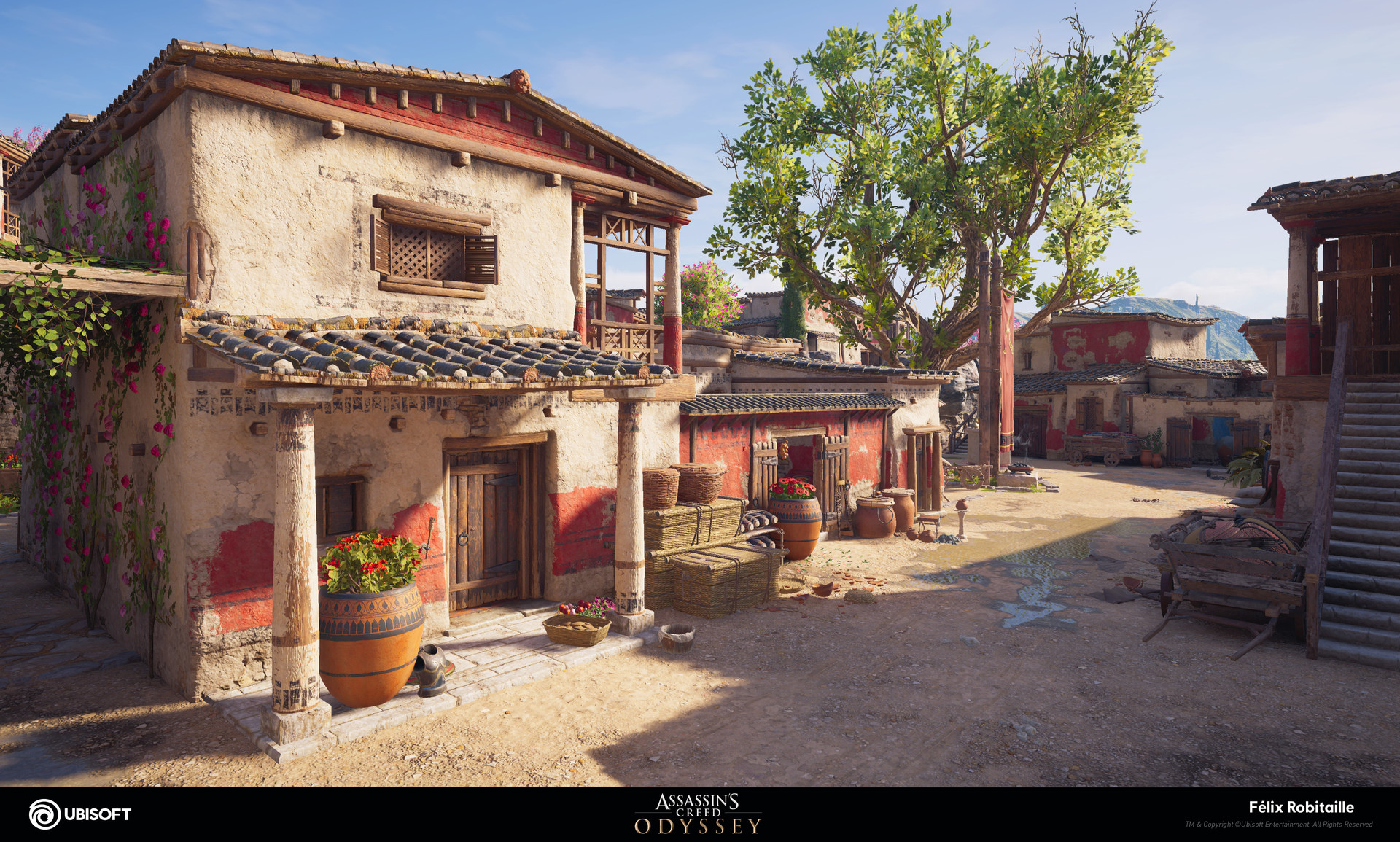
Culiacáni architecture may not be the most advanced, but it is always highly colorful and decorated. Often made of either mud, stucco or plasterwork, a number of characteristic features give life to their homes. Horseshoe arches often mark alleyways, with intricate tilework known as azulejos being frequent on both floor and wall. Lightwells are a staple, inner patios which are exposed to the elements within the middle of homes, often surrounded by arcades and galleries. Balconies are almost always seen in more well-built infrastructure, supported by iron railings or stone arches. Tile roofs of terracotta protect from rain and storm, and centers of towns often have elaborate churches.
The locale of Culiacán consists of only the Bridge Delmar and its location on the Sapphire Bay. This is a tropical location with rich wildlife along the coasts, with trees of palm swaying along the beaches of red sands, while further into the Bridge one will find a landscape more akin to a desert, along with badlands, mesa ridges and mountains, as well as the desolate Tené Brine Desert.
Government & Social Hierarchy
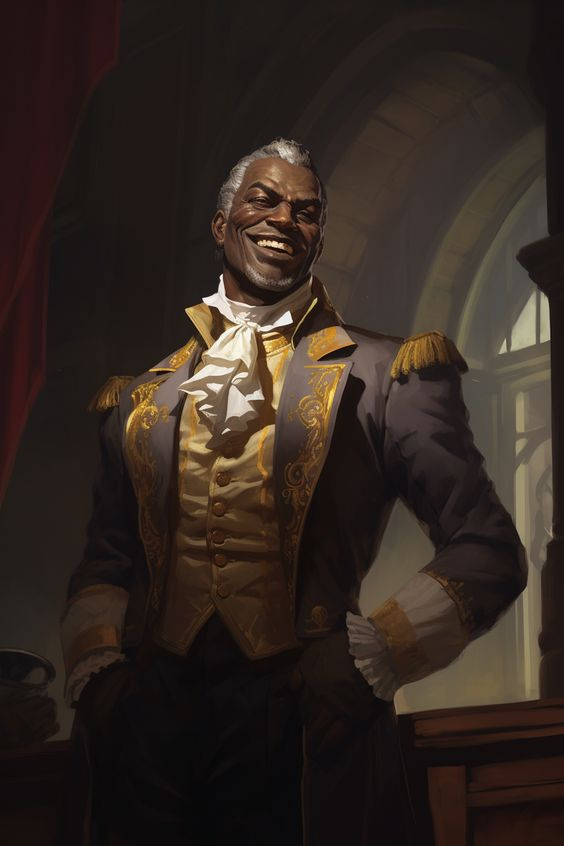
In times of yore, the Culias were a roaming band of tribes which herded and sustained off of the coasts. When it came time for them to be forced into advancement and cultivated into a trade hub for the larger nations, they were shorn of their old ways and became a thalassocracy, only ruling on the coastline. They have a very loose excuse for a government, as they exist only in a City-State and a few small villages outside of it. They are ruled by the Kriloo King, a remnant of their old ways of herding tied with their new duties. Though there is no kingdom to rule, the Kriloo King is very informally elected by word of mouth, and then inaugurated by a show of hand in a grand assembly at Port Marabella. A number of councilors and magistrates aid the King's governance of his small number of cities, but not much is needed to be done to govern such a small body.
When it comes to governing trade however, a large gulf in formality is formed. The Kriloo King rules the cities of Culiacán, but his Trade Magistrate runs the mercantile operations and governs the routing and sending of various goods and ships from throughout the world. Often the Trade Magistrate is just as powerful as the Kriloo King, but their vast differences in focus keep them out of each other's hair.
Weapons & Military

Though small, the Culiacáni navy is the most skilled in the sea, armed with sleek galleons, agile sloops, and sturdy frigates, manned by expert sailors and navigators. Privateers, licensed by the government to harass enemy ships and disrupt trade routes, play a significant role in maritime warfare. They operate smaller, more maneuverable vessels known as schooners and brigantines, using speed and stealth to outmaneuver larger ships. The Azbar dwarves were the ones who gifted Culiacán with the blessing of cannons, which sent their pirates center into the frame of many major nations. Along with their Salt Skimmers which patrolled the Tené Brine Desert, the small City-State Culiacán of easy-going people manages to project its power well.
Brinesteel sabers and crossbow bolts that shed salt as they soar through the salty skies mark the combat of a Culia. Cutlasses crawling with designs both of sea and desert, as well as a preference for staves while they trek across their desert inland. Boarding axes are a must have for seafaring, and various bola designs not seen elsewhere are key. Culiacán is fond of its wide shields, larger than the typical buckler shield, for they can be used for protection against both blade and sun. They are often very ornamental, decorated with/as seashells, or religious iconography.
They do not frequently don heavy armors, both due to the scorching heat of exposed metal in the sun, as well as for its cost. Light and breathable armor with minimalistic protection is used, but is frequently decorated in a fashion akin to normal clothing rather than life-saving armaments. Linen, Hemp, or woven palm fronds or fibers from pineapples keeps a moisture wicking attire easy to wear in a hot tropical environment.
Music & Art
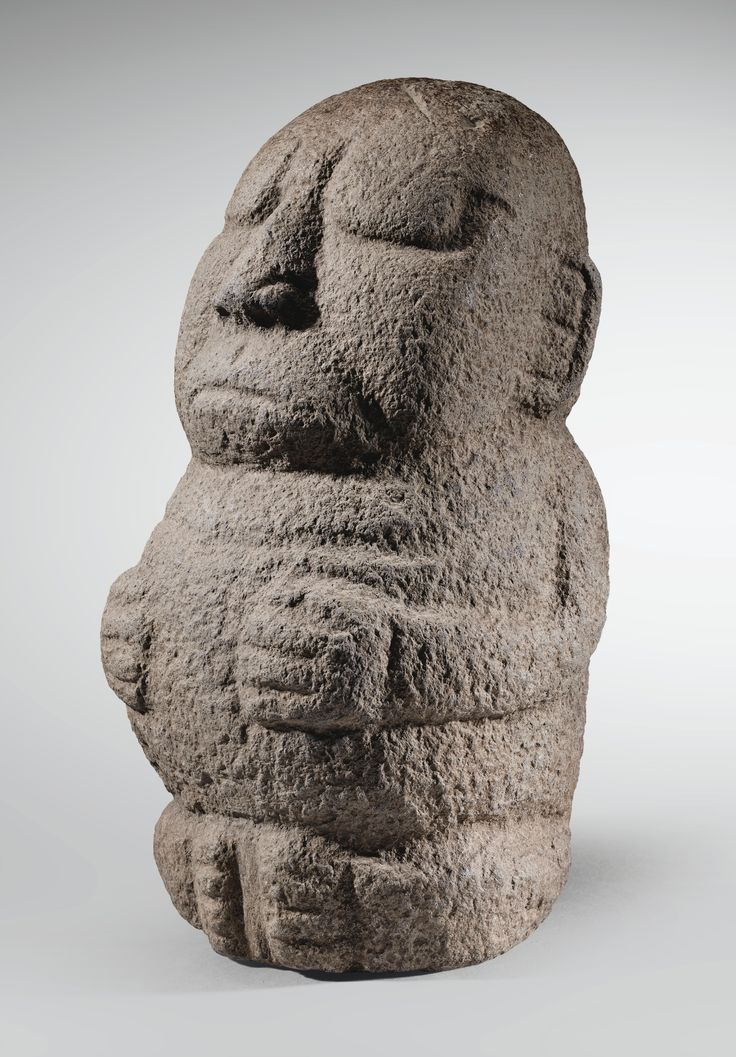
Culiacán is proud of its art. Consisting of tropical colors made with fruits and minerals from the sea, murals span their buildings and are displayed on the street. Wooden carvings, pottery, basketry, and woven textiles using homemade techniques are very popular. Painting, sculpture, ceramics, and textiles are inspired from both their mythology as well as their everyday life.
Music and dance are central to the Culia, serving as expressions of joy, sorrow, and spiritual connection. They embrace a variety of musical styles, including calypso, reggae, salsa, and heavy drumming, each infused with infectious rhythms and soul-stirring melodies. Traditional dances such as the salsa, merengue, and limbo are performed at festivals, celebrations, and religious ceremonies, inviting participants to move their bodies in harmony with the music and the natural world.
Beloved by their friends in the mer, Culias perform Capoeira, a dance of spirituality, movement, and martial arts. The dance is a sort of dancing duel, where two combatants dance around each other in theatrical combat, spurred on by rising swells of music.
A special field of artwork is seen in Culiacáni towns, made of iron ore stricken by lightning. Said to be blessed by Tormentario, these lodes are chiseled into statues of various forms, and are magnetic. Culias will put magnets into the bottom of their clothes so that if they pass a statue of magnetic nature, the ends of their clothes are subtly draw and moved, highlighting the unseen effect their Gods have upon their lives, and to Duende specifically, to be reminded of their call to creativity. They also forge beautiful works of guanín, an alloy of gold, copper and silver. A favorite is a medallion of both brinesteel and guanín, made for many an important occasion.
Magick
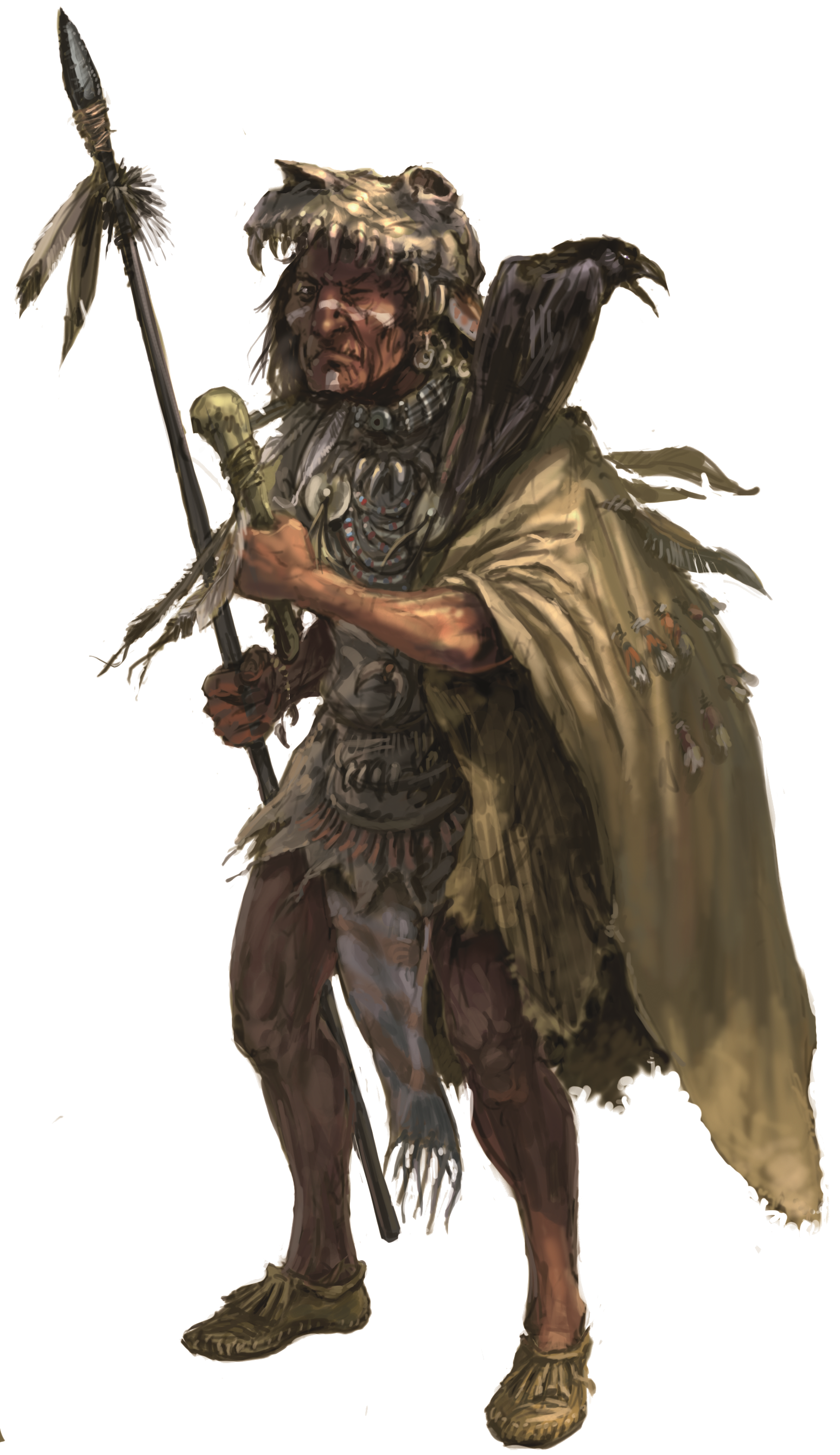
All in all, the magick of Culiacán is more personal, than fantastical. Few are the Culias who practice Enlightened Deific magicks, as well as the Thaumiturgical Arts. They do not have many fond views on magick, for it disrupts their way of life. Terse looks will be sent towards anyone practicing any sort of magick, but those Magisters of Arcane Magicks and alchemy are given more leeway, as seen throughout the land. However, of all the Traditions of magick, the happy and easy-going Culias are predisposed to studying Umbral Deific Magick, Dark Arts. Voodoo, Occultism, whatever one may call it, the Culias practice it. They refer to their mystical arts as Goetic, and they often practice it under the purview of their God of Rebellion and Justice, Derecho. Though not often used in nefarious ways, this Goetic magick is often more dangerous than magick already is, and many bad actors have been born from Culiacáni lands. As with many polities, Culiacán sees many alchemists sought after for their healing. They are the Curandero's, medical shamans.
Others
"Even those who seek a bed of peace will lie in a casket of war."
Dwarves: The Rimebeards that hail from the Austral South exist as far as possible from Culiacán and both parties may have never seen each other. The Ironfists are a primary purchaser of Culiacáni goods, but beyond that the Culias are rather neutral with them. The Glassaxes are seen as annoying and belligerent due to their proximity and their harsh mercantile traditions, always driving harder bargains than Culiacáni traders would like. Overall the citizens of the Underkingdom are viewed neutrally, but the Culiacáni people are hard to get on the bad side of.
Elves: Star elves are the favored people of the Culiacán City-State, as they share a like-minded desire of wanting to experience life. Frequently do the Star Elves mill about Culiacán, for both trade and simple living. The Moon Elves are off-putting, and viewed with a shroud of mystery, being on the other side of the Lauttersänger Mountains. They share their black sheep of occultism, though the Moon Elves do so more openly. For the Sun Elves, being the direct cause of Culiacán's forced advancement into a trade hub, the Culia despise Sun Elves. Viewing them as tyranny and the embodiment of the wrong way to go about life, the amicable Culias will even go so far as to curse the Sun Elves, such is their disdain. However, some from Culiacán view this as a good move for the future, and deal well with the Unitary Solarate.
Humans: Many strong opinions are held towards Mankind, especially towards the Empire of Man. In joint with the Sun Elves, the Empire of Man forced Culiacán to abandon its old ways and take up a more modern way of living to serve as a trade hub for the halves of the continent. The Empire is seen as tyranny, and those of Culiacán who are more filled with ambition will call upon Derecho to empower their attempts to fight against the Empire. The Gales are viewed quite fondly, living similar lives in the deep Coille Forests of the Interior, but are unfortunately willingly subject to the Empire's power, and are seen as lapdogs. Volks are viewed as dangerous, and excited all at once, with their ever-present wanderlust and hunger for power being impressive and disruptive to Culiacáni lifestyle. Ōkamese peoples are very often seen in Culiacán, doing trade and trying to run the place better than the Culia could. They are respected for opposing the Empire, and the two polities have allied before in the past. There is no opinion held on Joagundr, if they are even known to exist at all.
Conclave - Mer: The aggressive ways of Mer have brought the Conclave to the lands of Culiacán many times, from pillaging warbands to those wishing to trade as equals amongst cultures. Mer will be resisted in most things, as they have pillaged Culiacáni villages in the past due to their easy pickings, but in less antagonistic times the cultures have gotten along quite nicely. In the lands of Divan, the more clandestine cabal of Mer find Culiacán to be some of their most kindred spirits.
Conclave - Ophidian: Not much opinion is held towards the Ophidian, though a number of Kobolds and Dragonborn have joined forces with Culiacáni rouges to found the pirate society off the coast of the Bridge Delmar.
Naming Conventions
Culiacáni names tend to be longer than most, and sometimes have two surnames. One can add "de" in front of the first surname, and if there are two, you can add "y". Example includes: Martínez de Pascal, or Martínez de Pascal y Francisco. Females tend to have two surnames more, keeping their maiden name as well as their new surname upon marriage. For males, they may add numbers to the end of their name if they are descendants of someone with the same name. A line of Culias all named López Miguel would have their fourth iteration be called López Miguel IV.
Male Name Examples:
García Juan, Martínez José, López Miguel, Pérez Carlos, González Antonio, Hernández Diego, Rodríguez Luis, Fernández Javier, Sánchez Gabriel, Pérez Pedro, Martín Fernando, Gómez Ricardo, Ruiz Manuel, Díaz Héctor, Moreno Andrés, Muñoz Francisco, Álvarez Rafael, Romero Santiago, Navarro Emilio
Female Name Examples:
María Torres, García Ana, Martínez Laura, López Carmen, Pérez Isabel, González Marta, Hernández Elena, Rodríguez Rosa, Fernández Julia, Sánchez Sofía, Pérez Andrea, Martín Paula, Gómez Clara, Ruiz Beatriz, Díaz Natalia, Moreno Lucia, Muñoz Teresa, Álvarez Eva, Romero Patricia, Navarro Alicia
Important Figures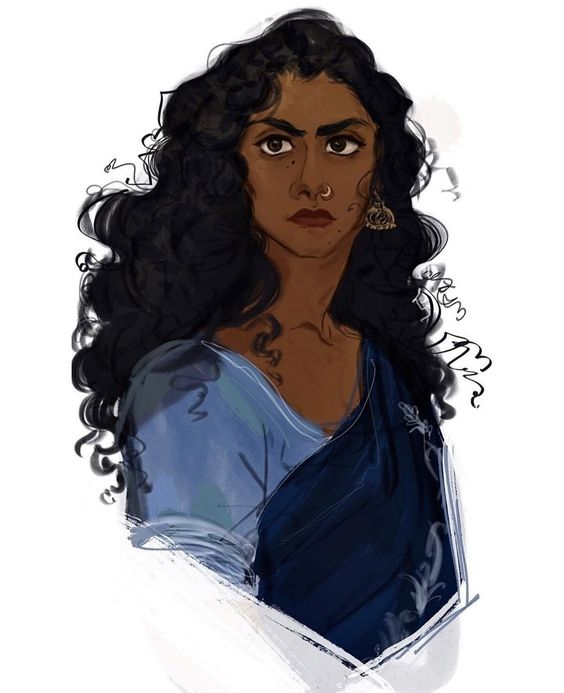
Kriloo King Jaume III: Jaume de Soldado the Third was a recent King of the City-State of Culiacán, and known as the Lazy King. This moniker was mainly given to him by outsiders, as internally the Culias revere him greatly as he brought back a return to the roots of who the Culia are. He was known for his traditional but forward-thinking leadership, ushering in a golden age of cultural flourishing in the kingdom, but not so much prosperity, innovation, and wealth.
Isabella de la Rosa: A wealthy women of a prominent port within the Bridge Delmar, Isabella used her wealth to support local artists, musicians, and writers, establishing galleries, theaters, and salons where creatives could showcase their talents. As the Patroness of the Arts, Isabella was known for her extravagant soirees and cultural gatherings, where intellectuals, artists, and socialites would converge to discuss ideas, share their work, and celebrate the beauty of the Sapphire Bay.
Laureano de Torres y Ayala: A Trade Magistrate of Culiacán during the 4th Age, Torres was obsessed with locating a particular location of significance off the shores of the Sapphire Bay. In his manic pursuit, he bolstered the defenses and trade throughput of Port Marabella to new heights, before embezzling a great deal of coin to fund his fleet of ships, which set out into the setting sun to find his treasure. His fate, and the existence of said treasure, is unknown.
Pedro Cedillo, Chosen of Derecho: Pedro Cedillo was an infamous figure who happened upon a large amount of molzen, known to be a rather explosive ore. Disgruntled with the Empire at the time, Pedro fashioned and planted a number of "festive dance instructions" which were left around the city of Exandria. It took a while before he was hung off the walls of the capital's castle. He remains as a patron of those who follow in the winds of rebellion.
Deathsinger Bimona: A woeful example of what can befall upon mortals in times of dire need, Commander Bimona gave up her soul to the Powers of Chaos to become a Deathsinger, to defend theCuliacáni City-State against a stampeding warband of mer, as there were no changes of success, and the Empire of Man refused to send aid. Surging with newfound dark powers, Bimona quelled the merwin threat, but turned upon her own people after her original foes fell to her blade.
Izaro de Padrón y Peña: Known as the Charter, Izaro was an adventurous soul who sought to catalogue and map the lands around her. This led to the modern maps that we have today in the 5th Age, scribed by Izaro's quill and ink over a century ago. She wore a signature felt hat with a bright parrot upon her shoulder at all time named Sneeze, and the pair was last seen embarking to chart the uncharted jungles in the east.
Sara Scales: The nefarious Pirate Queen of Nasalvaje, a pirate capital for nefarious actions through the Volantian Seas. Highly ambitious, Sara Scales was a Culia turned Dragonborn who ruled her fleet with a draconic fist, inciting those within Culiacáni towns who tired of a simple and "good" life to cast off their old ways and take up a cutlass in her name. A long record of achievements and deeds marked her short life before she was sunk at sea in her ship The Wyvern's Fury. She is said to have not passed on, haunting those at sea who are lost, and demanding a tithe be thrown into the sea, lest she appeal Tormentario to bring a dreadful typhoon upon their charted path.
Legends & Myths

Scimitar of Scales: The signature weapon of Sara Scales, this draconic weapon is variably quoted to be forged of drägurum or dragon scales, depending on how passionate the story teller is at the recounting of the legends associated with the weapon's bearer.
Rosa's Paintbrush: Claimed to be the brush of Isabella de la Rosa, this special implement of expression from the Patroness of the Arts is said to be blessed by Duende herself, Goddess of Creativity. With it, one is believed to be able to make masterwork quality painting with ease, their greatest works always being at the ready.
The Mighty Palm: Throughout the world, numerous trees have been observed to grow to impressive size, far beyond the rest of their kind. These are frequently seen in the druidic lands of the Gales, but here on the Bridge Delmar, one such Ancient Arboreal stands tall on the coastline.
Izaro's Map: This map is believed to be the greatest depiction of the lands of Volantis, far better than the Imperial Map distributed en-masse. On this map, many locations of power, secrets, Arcane Tomes, Artifacts, some say an entire continent of the east coast, is depicted. Unfortunately, the last reports of said map are that it was taken with Izaro deep within the uncharted jungles to the east.
El Susurro del Mar: Deep in the azure depths of the Sapphire Bay, there lurks a mysterious creature known as "El Susurro del Mar," the Whisper of the Sea. Unlike any mortal serpent, this enigmatic being is said to possess the ability to communicate with sailors through eerie whispers that echo across the waves. Some believe it to be a benevolent guardian, guiding lost ships to safety, while others fear its haunting calls foretell doom and disaster. If one sees mysterious red lights deep in the sea, it is said that Susurro is lurking...
Torres' Treasure: A legendary bounty of which no one really knows much about, Torres' Treasure has so much information about it that little is known to be true or false. Some say it lies deep off the west coast of the continent, while others say it is sunk beneath the waves of the Sapphire Bay. Piles and piles of Spirals, gemstones and encrusted weapons, enchanted weapons of pure arcanite, precious metals like fulgurum and ardent, and more are all theorized to be his prize, if he did not claim it himself.
Huracán Siroco: It is believed that Tormentario unleashed the tempestuous hurricanes that make landfall rarely in Volantis. A spirit is placed inside each one, with an agenda to meet before fading away. However, in the 4th Age hit Huracán Siroco, the Abandoned Hurricane, which careened off of the usual course that the storms take, and never diminished in power, traveling from one side of the continent to the other and leaving destruction in it's wake. It is believed that both the storm and it's spirit are out there, in far off lands, prayerfully not to return.
Festivals & Holidays
Whale Boat Racing
During the Dominion of Stormharrow
In celebration of the wisdom of Yúka the Wind Whale, Divine Beast, canoes and longboats imitating the shape and design of various species of whale in the Volantian Sea are constructed, where they are raced in the Bay through an obstacle course built to challenge the knowledge and skill of seafarers.
Wine Fires
During the Dominion of Prime Seed
Due to the heavy care needed to keep one's grapes from being stricken by cold snaps, the Culiacáni wineries which grow grapes to supply the continent's thirst for fine wine have devised a method of combating the effects of deep frost. Whenever the first sprouts blossom, and a frost is forecasted, barrels made of Freezeframe Emperium will be put out, filled with logs to supply fire. This heat warms up the grape sprouts so that the frost does not destroy the harvest. The sight of hundreds of barrels of ever-burning fire can be seen for miles, and is quite a sight.
Unification Day
During the Dominion of Prime Seed
Though the Empire greatly celebrates this day, it is a point of contention for many a Culia. This day of gathering marks the unification of many banners of man under the Empire, sworn through a set of oaths and allegiances amongst the Clans of Galen, the City-State of Culiacán and eventually the Ignomads of Joagundr united in the Fourth Age under one banner. To most Culias, it is a day of conquering, though to say so in public is taboo, and shunned. Those who celebrate this day are seen as lapdogs to the Empire, however, similar to how the Clans of Galen view the holiday. However, most in the City-State are more lax in their objection to the day.
The Tournament of Fierce Beasts and Fencing
During the Dominion of Emberwyn
A very lively event of derring do and challenges, the City-State hosts this tournament as a display of weapon skill amongst combatants as well as against monsters and beasts of all sorts. This often happens at the same time; There tends to be 3 teams, each pair with beasts or monsters of some sort, and special safeguards set up for the contestants; not so much the beasts. Often, Lions are employed, a mockery of the demon Ixchelzin, the Celestial Lion. Winners are awarded a special braided tassel that they wear on their clothing, as well as a cut of any shipment that is in the ports at the time.
Burial
As a tradition of setting the dead to rest, the Culiacáni sailors that die at sea are wrapped in their hammock, weighted down, and dumped over board after a brief ceremony. Their lives are said to be given up to the sea after depending on it for their livelihood.
Outside of sailor deaths, the typical funeral procedures of Culiacán is that of celebration of their life, rather than a mourning of their death; celebration is given to their greatest deeds, and a joy knowing they are likely to be sailing in the afterlife of the Marakaí Spirit Isles.
History
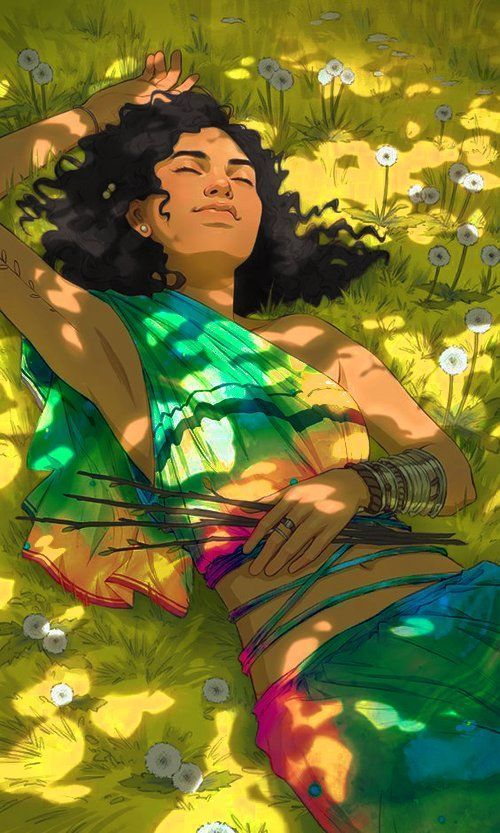
Synopsis: The City-State of Culiacán is technically the newest polity in Volantis, having only been formed midway through the 4th Age. However, the tribes that were banded together to form the thalassocracy had existed for many centuries. As trade between the Interior and the Aranthas desert burgeoned throughout the Ages, only one method of moving merchandise was available: The Bridge Delmar. As the coastline of the Northern Interior was populated with Mer, the Uncharted Jungle, and the Nightfall inhabited by the Divan, the Bridge Delmar served as the sole means of the nations trading amongst themselves. Primary to this trade route were the Empire and the Sun Elves. Naturally, as trade continued, they passed by the tribes of Kriloo herders, who seemed to care not for the golden opportunity to set up shop here and facilitate trade. It was not long before this golden opportunity was forced upon these tribes, with the Unitary Solarate and the Empire of Man essentially rounding the tribes up and ordering them to construct a fine city to live out of, in order to further enable trade between the peoples.
Having been essentially conquered without war, Culiacán's first iteration was that of a Republic, though not much was done other than gripe and groan about their predicament and their unwanted gold filling their purses. A revolt happens against the Empire of Man, which is easily squashed by the aid of the Sun Elves. Now with tighter legislation, the Culias were quite unhappy with their predicament.
The solution to their predicament came in the form of a charismatic leader, who claimed himself monarch, despite having no kingdom to rule. He called himself the Kriloo King, and from then on, the Republic of Culiacán was called the City-State of Culiacán, ruled by the Kriloo King without a Kingdom. The Kriloo King would rule as were the old ways of their people, while the Trade Magistrate would rule more in line with the modern demands the Empire and Sun Elves placed upon the Trade-City. This led to a period of great prosperity in both mind and coin; those that desired an easy and carefree life, would be able to live out their desires under the rule of the Kriloo King, while those who wished to adventure and travel out could do so with the coin earned under the Trade Magistrate.
Culiacán has now became a have of freedom, wealth and progress, valuing representation and all who travel through their ports. When the Empire of Man had it's second civil war, the Empire was turned into a democracy for a short period before the Sun Elves and the Adherents, those who valued a strong rule for the Empire, squashed the rebellion. Those that survived made their way to Culiacán.
Not all within the bounds of the Bridge Delmar exist so peacefully however, as the oppression of the Sun Elves and the Empire birthed a large number of pirates, those who left from the tyranny of the mainland to start their own small civilization in Nasalvaje. In modern times, both Nasalvaje and Culiacán are thriving, though a traumatic event heads for Port Marabella...
Last edited: 5 months ago