

Luari 
"Elves Understand."
Synopsis
Primary Polity: Disunified
Primary Polity's Seat of Power: N/A
Polities that are predominantly Elven:
Unitary Solarate of Ishar: Sun Elves
Wandersong of Igashu: Star Elves
Seclusion of Elunestra: Moon Elves
Term for the race of Luari: Lurin/Luari
Term for outsiders: Col/Cols
Religion: Different for each group of Elves, although the Solar Pantheon are often centric in their individual beliefs.
Language: Sora'thelian (High and Low)
Introduction

Tall, lithe, wise, with more than a hint of magick, the Luari, or Elves, are a unique present small in number but felt far throughout the lands of Volantis. Said to have came from the skies above, the tribes of the Luari are some of the oldest denizens of the world, with many elven nations rising and falling before mankind had yet eked out an existence beyond nomadic groups. The Luari all consider themselves to be the protectors of the world, in various contradictory ways. Centerpiece in many myths and dreams, they are both timeless and filled with ancient grandeur and enigmatic grace. After all this time however, their ways remain inscrutable, reinforced by ageless wisdom that informs them that an elf can perform any task far better than man, dwarf or mer.
Physiology

Highly varied in their skin complexion and tone as well as eye and ear shape, elves certainly look the part when it comes to their magical natures. The average elf ranged from 6' to 7'2" for males, and 5'11" to 6'10" for females depending on their race. Their weights move from an average of 175 for men and 160 for females. Facial hair is seldom seen if at all in any race of elves, though they often keep their hair long and flowing for it's silky texture. Physical builds of lithe and slender status are characteristic of a Lurin. Their eyes are also slightly larger than the typical human for comparison. In general, the Luari are considered to hold both prepossessing beauty and commanding presences.
Elves do not require sleep. That is not to say they cannot sleep, but an elf prefers to rather bask. This basking takes place in nature, and is often done in a meditating state, where they attune themselves with nature, clearing the mind and refocusing on the matters that are important to them. Sleep for a Luari is taken when they are unable to bask in nature, or if they wish to pass the time quicker. An Elf often meditates for long periods of time - far longer than most sleep. It is not unheard of for an elf to meditate for 12+ hours on any given day of the week. Their senses are identical to any other sleeping mortal's when they are meditating, and have to collect themselves when exiting their trance.
Fashion

Fashion is essential for those who live for centuries. Intricate detail is taken for most clothing, with everything being placed within the fabric for a reason. A stitch here, a loose stretch of ribbon there, all honed and refined by centuries of skill. Elven fashion and attire is considered to be the best in the land, and the Luari are not afraid of letting the other races be reminded of this fact. Unique materials such as Star Plectrum, Moon Silver, Sunweave and Solar Aurum are incorporated into the more lavish clothes for centerpiece adornment.
Values, Attitudes, Taboos, Morals, and Beliefs

Elves are often seen as snobs by others, but that is simply because an elf is usually right. Being isolated in general, and having a bounty of time to pursue both passions and work, a Lurin has seen far more than most humans, know more than most dwarves, and have worked in more professions than many a mer. Above all, an elf is patient. It is common knowledge that the elves of Volantis are experts in the long-game; A tribe of Moon Elves may wait decades for a unique alignment of the moon to enact a magickal ritual. Great weight is given to the actions of all, and how they might impact future generations
Lurin can be seen as aloof, lissome and detached, which they often are due to their longevity. A human who comes to a Lurin with a pressing matter such as their crops withering away might be surprised to see the lack of perceived empathy from the elf, but in reality the elf has seen other humans come through and raze these lands numerous times causing infertility, and knows they will see these lands burned numbers more in the generations that follow the silly human stressing before them.
Ancient traditions are essential for the structure of the elves, even the chaotic Moon Elves. Elders and those of great knowledge and wisdom are held in the utmost respect. Most elves will appeal to authority, even irresponsibly.
Nothing is more taboo for an elf than the disrespect or destruction of nature. For each of the elven tribes, what they hold sacred as nature varies, but all have the protection of the natural order of their world close to their heart. The pilfering of the bounty of the woods, or the delving and stripping of the mountains bounty are shortsighted endeavors, and an elf knows that no one comes behind the dwarf to fill his quarries.
All elves are thought to be self-righteous, and this sentiment has much weight. To an elf, who could fix something better than they? To whom should the fate of the world be entrusted than those who were here first? They know their answer.
The Luari suffer from a dreadful bout of nostalgia for the past, and future. In their longevity do they realize the woes of not being able to visit every place, work every job, meet every person, read every book, sit under every tree. Stuck in one place, one body, one time, even in their long lives, is a frustration that peeks out from behind their psyche on occasion. This has led to the implementation of the nīsoh lindë, or "5 lives" that Luari practice in order to experience the breadth of life.
As part of their psyche, each race has needs to sate their well being. For man, it is the familiar needs of family, food, home, and the like. For Luari, it is the need to bask in the awesome aspects of nature. Each of the 3 peoples that make up the Luari have their own realms of nature they are fond of basking in, but no matter the realm, an elf must bask, lest they grow into strange tempers. A Estrela'Lurin may stare above in a clear night sky before bed each day, while a Lumi'Lurin deigns to meditate atop a sun-kissed stone at dawn, or as a Salun'e'Lurin drinks from the waters of a moon-touched lake, contemplating the way the moon tugs on the water. If a Luari embraces the joys of nature in a particular area, they will grow fonder of it; this leads to more satisfaction, and the close ties an elf may have to seemingly unimportant areas of the world. A particular side of a half-slumped mountain beset by constant rain may not mean much to a human, but to an elf it could be physical representation best reflecting their inner turmoil in their 2nd life in the Coille Forests. As such, an elf is almost irrationally protective of their preferred lands, and will go to great lengths protecting it, even at their own expense.
Lifespan

Elves are known for their longevity in the extreme; all elves have an average lifespan of 300 years, as well as this being their upwards limit. This is to say most elves die of old age, not war or hardship. Uniquely, an elf will take up a new aspect of life every 52 years, or 12 Dominions, or every Chronicle. This means they may quit their jobs, move cities, change relationships, join new families, learn new skills or anything that suits their fancy in their "new" life. By the end of their long lifespans, they will have often averaged about 5 unique "lifespans," having experienced the breadth of life in their opinion. This practice is called nīsoh lindë, and is tied to their deep-set frustration of their inability to experience the totality of life, even with their long lifespans.
Family

Family is a variable matter for the elves, which depends on their culture. In general, family, in the fashion of Houses, has great weight in elven society. These Houses often live together in large families, and due to the low growth rates of elven populations, tend to stay about the same for decades.
Work & Trade

Elves will take up most labor that is not menial or laborious. Hard labor is considered unbecoming of the noble spirit that all elves hold within their fine hearts. Given a plow, they would rather expend a great deal of Solar Spirals to improve the plowshare with magickal artificery to move through the loam with ease, than break their backs toiling and troubling.
Coin does not have as strong of a hold on elves as it does every other race. If an elf has the option of working in a bookstore for piddling coin, or working long hours in the nearby butchery for an ample pay, the elf will start planning their next few years with a lower wage.
The working class of elves and the nobility are not as disparate as seen in humans. Both the working class and the nobles posses the opinion of hard work being below them, with much coin being employed to outsource labor to other races.
Excluding hard labor that an elf abhors, the finer occupations in life are plenty for them. Researchers, tailors, artificers, Magisters, political positions, guildmasters, accountants, recordkeepers, scribes, librarians, painters, musicians, hunters, travelers, priests, and an abundance of high minded occupations are the ideal positions for elves to gravitate towards.
Religion
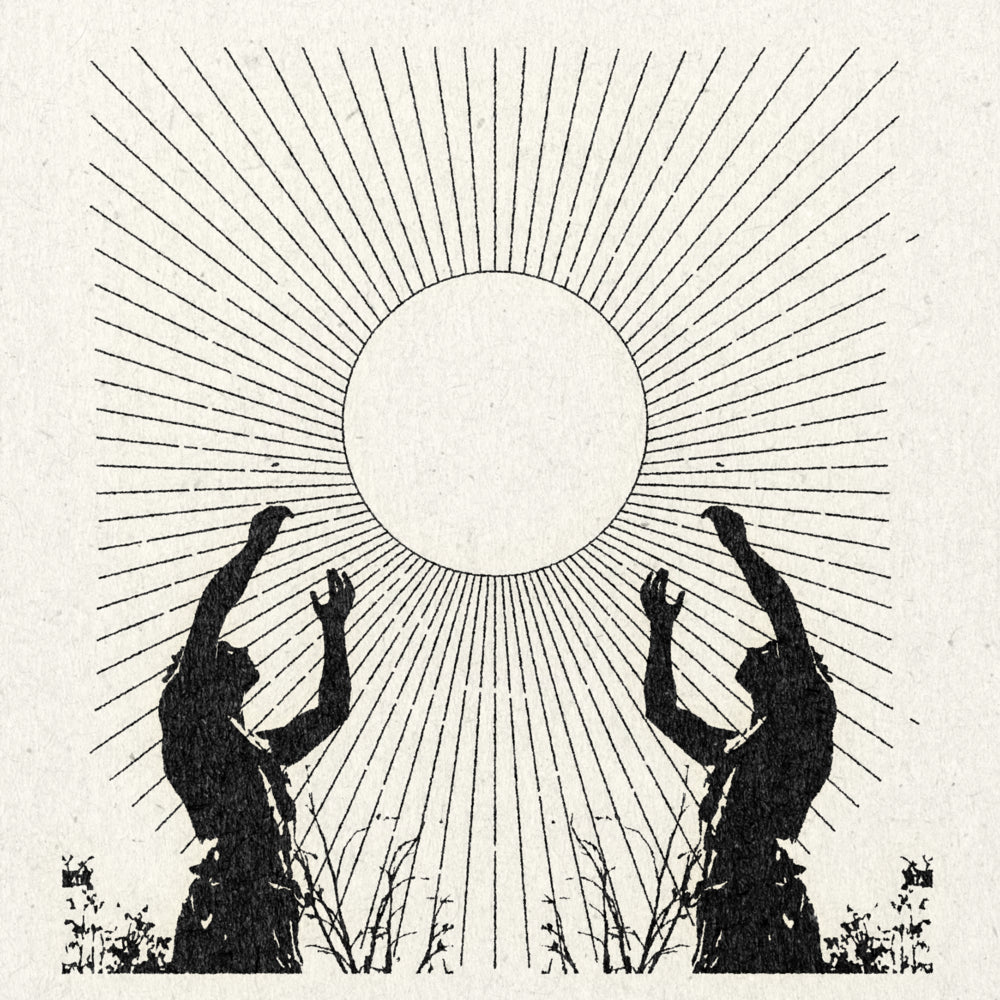
Elven faith is unique to Volantis, in that all three of the cultures believe in the some of the same gods and acknowledge them as so, though view them in drastically different matters. At it's core, the gods of the elven pantheon are 3 gods: In orange are how the Sun Elves view the gods; in blue, the Moon Elves, and in white, the Star Elves.
Solarius, The Coruscated/Ka'ra't/Dinakar
Sirius, the Sunrise/Hi'ra/Sūrya
Selvoran, The Witch in the Moon/Sel'vaan/Chandra
Notably exempt from the elven pantheon is Artex, whom the elves do not worship, while many human kingdoms do fervently. Much debate is held whether or not Artex and Solarius are the same, whether they are father and son, and many other theocratic ideas. Whether a god is viewed as the Guiding Light, Burning Poison or Eternal Traveler is wholly dependent on the culture viewing the god. Of note, all schisms of the god's personalities into various other, opposing gods have not lasted long, cementing the belief amongst the elves that they do indeed worship and hate the same deities.
Secondary to these gods are a particular duo known as The Strangers, responsible for a variety of deeds and actions, with their status of being missing, dead, or alive varying between the elven religions.
Regardless of an elf's faith, their religious beliefs are deeply intertwined into how they view the world around them, both natural and the other mortals of the realm. Most elves will accept the existence of other gods, though worship varies drastically amongst their cultures.
Outside of these gods, each of the elven pantheons might have additional gods within their ranks. Paragons are included as well, which are not gods but rather mortals who have ascended to near-god status through their deeds or what they embody.
Agriculture & Cuisine

Elven agriculture is very expansive, although an absence of toiling elves is noticeable. Rather, they choose to dedicate a great sum of coin to the improvement of their agriculture such that hard work and laborious toil is no longer needed for the production of agricultural goods. From elaborate waterways to windmills enchanted with eternal wind for grinding grain to fence gates that open and close at particular hours of the day for the herds, one may be shocked at the automation of elven fields.
Architecture & Locale

Lurin find themselves in all manners of exotic locales. Ranging from the scalding sands of the Aranthas Desert for the Sun Elves, to the misty Twilight Forests for the Moon Elves, to the Gendarme upon Mount Stargon for the Star Elves, outsiders often feel transported to another world when they step into the lands of the Luari.
One unique aspect of elven architecture is the lack of bedrooms in many houses. As elves are not strictly required to sleep, they instead opt for areas to bask in nature, to sate their psychological need to appreciate the world around them. To an elf, a bedroom is instead a room for personal storage, either lacking a bed entirely, or incorporating it solely for the purpose of procreation.
Government & Social Hierarchy

Elven politics are said to incite fear into the hearts of man, and disdain in the minds of dwarves. With disputes and contentions ranging back longer than some human nations have existed in these lands, each elven culture has elaborate and convoluted social structures and hierarchies that are held to the utmost standards for both upholding and opposing by other Houses. A shining example of elven politics is the claim from the Glassaxes that their entire Formational Wars between the Conclave were shadow-governed by the Sun Elves for bountiful resources held deep beneath the sands; this of course has been denied by countless Lurin for hundreds of years.
Weapons & Military

War is a grave thing for elves, for they are often devastated by the simple fact of their low growth rate for their population. Where a human nation could loose a quarter of it's entire population from expanding it's reach and then replenish these numbers in a generation, elves deeply feel the loss of every elf, for it will take many decades for their numbers to be replaced.
As such, most elves are dedicated to ensuring victory is won before the first arrow is loosed from the taught string. Lurin of all cultures are steeped in combat in the Moon and Sun Elven cultures, though less so for the Star Elves.
An elegant integration of their values is seen in their warfare and armaments. Sleek designs, polished metal, painted leather, dyed cloth and the quality application of magick is signature of elven armaments. Light on their feet, they make for excellent dualists, though often lack in brute strength weapons such as hammers and mauls. They prefer swords of all types, spears, arrows, crossbows and lances upon horseback. An elf's most potent weapon of war however is their alliances and treaties, in which they hope to force the ways of the war before bloodshed is needed. This is not to say that elves are pacifists however; they are capable of ferocious fighting. Elves value their lives to an utmost degree, which bleeds over into their passion for ensuring victory in their combat.
Music & Art

Music and art are tantamount to the identity of an elf. It is said that every elf, no matter what race, is born with a song in their hearts, one that they discover the notes to as they live their various lives, and they can then sing before departing this world. Harps and lyres are classics, with violin and flutes and sometimes even drums being seen wrapped into their performance. Above all, the power of the voice is what is valued by the elves, and it is not uncommon to hear elves singing and dancing as they go about their world; this is seen far less outside of their homeland however, for various reasons.
One uniformity amongst the ever-varied Luari is the cultural practice of tapestry weaving. The elves are fond of threading their history into beautiful works of fiber and wool, ever expanding the length of their tapestry until it grows quite long. Some choose to have a singular familial tapestry, while others (such as the Moon Elves) may choose to have individual tapestries detailing their favorite moments in life. Some, such as the Star Elves, often choose to instead weave this tapestry directly into their clothing. Sun Elves sometimes will choose to wrap their weapons with small tapestries, each a memory given purpose and intent.
Magick

Elves often will say either that they were made for magick, or magick for them. Either way, it is not far-fetched to claim that the average elf is addicted to the idea of magick, even when only a small portion of the elven population have direct access to casting magick. Whether it be magickal trinkets, enchantments, tomes of forbidden arcane knowledge, Arcane Tomes, gemstones of powerful potential such as a Jarkahada's Tear, or scrolls and staves of otherworldly powers, an elf wants them all.
However, they are still principled in what they will use in terms of magick. Astral Sorcery is considered the greatest of all magicks for the elves, faithfully believed to be empowered by their respective Gods of their pantheons. If an elf knows magick, odds are that this is the magick they know. Being the magick of the Luari, there are exceedingly few members of the other races who have been blessed with the ability to practice this magick.
Other magicks allowed culturally for the elf are dependent on the culture they are a part of; Sun Elves abhor Umbral Magicks, whereas Moon Elves find Enlightened Magicks to be brainwashed tricks of the light. Regardless of their opinion, many exceptions abound, for elves and magick go together like moths to a flame.
Others
There is a reason why the dwarves view elves as fickle.
Humans: Humans and Elves exist as one of the longest standing alliances in the realm. With Sun Elves aiding the fledgling Humankind in the Age of Legend, humans owe much to the aiding of the Elven Groups at the inception of human civilization. Beyond this, the elves continue to be man's greatest allies in many Ages, and continue to aid their efforts. Elves are frequently seen in human cities, and welcomed so. To the elves, humans are seen as very malleable, both for the elves' gain as well as to the detriment of the world when humans act far beyond their means. Moon elves despise the fact that humans allowed themselves to be willingly put under the thumb of what they call the Overgod, and many still hold great resentment towards Mankind.
Elves: Each elven group holds strong opinions on the others, of which all 3 were unified in ages past as the Unified Elves. That time is long past now, and the politics too deep to ever go back. The Moon and Sun Elves view each other as enemies, with opposing ideology, ways of living and religion, while the Star Elves want no part of the conflict, and going their own way.
Dwarves: The polar opposites of the elves. Almost all dwarves hate elves, and the feeling is wholeheartedly mutual. Dwarves plunder and strip the earth of valuable resources with reckless abandon, felling great forests and damming up whole rivers for powering unnecessary inventions doomed to explode in fiery ignorance. Not only that, they are entirely obstinate to the idea of magick as a whole, but are willing to make an exception for Runeforging which they claim is "theirs" as if anyone could own magick! Elves fill the Wall of Grudges of the dwarven capital more than any other race, and they would have it no other way. Though elves and dwarves do not typically attack each other in sight, the short creatures are fortunate that looks cannot kill. Yet.
Conclave - Mer: Uniquely, each elven group has differing takes on the Conclave as a whole, with the Sun Elves abhorring the Mer, while the Moon Elves embrace the Ophidian. The aggressive nature of Mer in particular and their location across the Sapphire Bay from the Sun Elves has been the primary interaction for Elvendom, and it has not been a pleasant interaction. Opinions of the Conclave have been on the rise recently however.
Conclave - Ophidian: None remember the ancient sins of the Ophidian more than the Elves. Serving as the forefront of conflicts in the Age of Scales, the once United Elves fought together in their concerted might to protect the realm from the scaled foe. Many millennia later, the elves have not yet forgotten, and some not forgiven. Some elves believe the Ophidian to be the cause of the Silent Moon, the splitting of the United Elves. Others value the esoterica that slithers out of their forked tongues.
Naming Conventions
Lurin names are often jarring to outsiders, and sometimes do not roll off the tongue in concise or flowing syllables. They vary greatly amongst their cultures. However, in modern times they add to their names a Sarword translation which they add to their last names, with the likes of "Moonpacer, Starslinger and Sunweaver" being examples.
Important Figures
Many legendary elves are called Paragons by their people, shining examples of what to either abide by, or avoid, depending on the culture being asked.
Emperor Khethiel, the Absolute: The final leader of the Elves United in the 3rd Age. He was blinded by the Sun, and never thought that his Tribunal would turn on him, and witnessed his Tribunal enact the magickal ritual that would cause the Silent Moon, cleaving off a part of both Sun and moon, inciting the curse of Solarius and birthing the Nightfall.
Zara Neferet'iri Starsetter: A Sun Elf, who's magical acumen follows her existence far past her lifetime, as she designed the great Sebai Constellation, an Astral Sorcery construct that shines above the capital of the Unitary Solarate of Ishar, in Aelarion. Zara's Alignment inspires awe into even the greatest Astral Sorcerers of the Star Elves. It was Zara who aligned the great Eye of Solarius in the sky to appoint any and all future Radiant and Ascended Duskbringer/Sunsinger of his or her choosing.
Rha'hek Kutin Lightbringer, The One: In times of great need, greater heros are often forged, not born. One such shining example was the Duskbringer Rha'hek Kutin, most commonly known as The One. Such was this Duskbringer's power that none have eclipsed The One's scale of effect and more importantly, degree of belief in their god. When The One met his final hour fighting the opponent known as Aria's End, it is recorded by many race's scribes that the light emanating from his golden countenance was blinding, and the air sizzled around him as he fought.
Netherang Yterlia, Aria's End: The greatest Deathsinger to have walked the mortal realms, this Moon Elf brought an end to the most recent 4th Age, Age of Discovery, and has launched the world into the 5th, Age of Darkness, destroying the capital of the Culiacáni people in a blasphemous attempt to open a portal unto Fundament for his Dark God.
Enluro, the Drake: A story that varies from culture to culture, this is said to either be an Archdrake that turned into an Elf, was cursed to become an elf, or in some version of the story was an elf which was blessed by a deity to draconic form. Regardless of the true story, Enluro's mark on the world is real, with many Lurin who follow the Drakelore doing so because of his story of apotheosis.
Aaru Ashaniel: When the Doombringer brought onto the mortal realms the Chaos Incursions at the end of the 3rd Age, it was Aaru the Star Elf who ensured the continuation of the Elven People. With their mastery over Arcane Magick, combined with occultic Sanguine Alchemy made in tandem with the unsavory Divan, great flesh golems of magickal power and strength razed the fields of demonic blight creeping onto the lands of Volantis.
The Wandering Vagrant: An extraordinarily powerful magickian capable of learning more Traditions of magicks than any other, as well as being far more proficient in them than those who specialized in just one. Most notable of this wizard's skills were his masterful skills at an unknown Tradition of magick said to have been lost to time. No nation could claim the wizard as their own, for he would only appear in times of great need to stop catastrophe, impart wisdom, and then vanish on the claim to apprehend some unseen threat. Many whispers still stand of this being an unnamed god of magick, though no proof has been garnered...
Anjali Lómelindë: Known by many in the Empire of Man as the bringer of knowledge and enlightenment, this Star Elf took inspiration from Prophet Vaeloria Lumindra, who brought the faith of the Solar Pantheon to man. Anjali brought instead knowledge and education, society and structure to the uncultured masses of man. The modern understanding of college and school was modelled after what Anjali spent centuries developing, with much reform and restructuring over the years.
Legends & Myths

The Trinary Alliance: A period in time where, following the end of the Ophidian Wars, Man, Elf and Dwarf all lives as one within a marvelous capital at the seat of the Interior. It was here that the elves first educated and brought the wisdom of the Solar Pantheon to man, along with magicks and societal structure.
The 12th Battalion: An exceptionally powerful and talented group of mixed magickians from all Dominions of magick, who's efforts were to be the vanguard against the final defense from the Doombringer's Chaos Incursion. All but 2 fell in battle, with both vanishing shortly after the war. The Vault of Fallen Heros lays in the Empire's land where this battalion is buried, along with many others who's lives were lost during this time. The One is memorialized here, as his body burnt to ash from channeling Solarius' light, dissipating unto the wind.
Warbanner of the 12th Battalion: An exceptionally powerful and talented group of mixed magickians from all Dominions of magick, this served as their banner to be flown during their famous assault against the Doombringer in the Chaos Incursions. It flies now in the Vault of Fallen Heros.
Anvil of Legend: A fantastical relic casted and formed during the time when the Elves of Star and Moon were one. Made of pure Star Plectrum with a hardened surface of a mysterious enchanted golden steel, this magical anvil is filled with incomparable magicks, and has birthed countless relics of other nations from its pure surface.
The Observatory: Deep within the uncharted jungles, where none but the Conclave dare to travel, there is said to be an abandoned celestial observatory, with a telescope claimed to be able to pierce into the heavens themselves. Some say that it was left behind by enterprising Star Elves, but others say the architecture of the location belies another, must more ancient origin...
Fermata Falcata: With most elven weapons being magical, a weapon has to be truly outstanding to classify as an artifact to the Luari. Fermata Falcata is a sword of Moonsilver, pure white with a subtle blue glow. Bathed in the powers of the ever-watchful Moon, the sword has been wielded by many, and can act as a conduit of unimaginable Tenebrous Tricks.
A Gamble with the Moon: Possibly just a tall tale, this myth revolves around an ambitious Moon Elf who dared to make a gamble with their God, The Witch in the Moon herself. The tale goes a number of ways, with all coinciding with the development of the new Red Moon that is shown once a Chronicle.
Sun Diadem: The icon of office for the Radiant leading the Sun Elves, this Solar Aurum show of nobility is decorated with immaculately cut jacinths, periodots, agates, fire opals and diamonds which dazzle in the sunlight. It is said that the Sun Diadem itself allows the wearer a direct connection to the Coruscated himself, though only those of immense faith can withstand His Burning Word. When in bright daylight, the gems dazzle with such brightness many cannot withstand to gaze upon the countenance of the Radiant.
Crown of Elms: A marvelous Aphyllous creation of Haertwood sap and Wireleaf pine constructed as an offering of friendship between Elunestra and Ōkami. This crown has the impressive ability to never rot nor wilt of its own, but ebbs and flows in health according to the state of the natural world at the time. Worn by the Witch Queen, it blossoms are said to be able to purify magical blight.
Celyndior: Certainly regarded more as myth than fact, Celyndor is claimed to be the floating capital of the Elves United before they joined under the banner of the Trinary State of Jenna. Before the Age of Scales it is said that this grand capital of incomparable splendor and magick sank deep into the Sapphire Bay, with many a Azbaric, Merwin and Culiacáni pirate attempting to dredge up any treasures from the depths below. They are not without reward...
Eye of Solarius: A monumental disk of immaculately polished bronze coated in lines and decorations of Solar Aurum, this wonderous artifact floats between the capital of the Sun Elves and their Sebai Constellation, absorbing the power of the sun and sending it throughout the capital to act as an artificial sun during the night so that they never have to experience the curse of night.
The Celestial Sailors: Said to be those who have returned back into Firmament by magickal means, sailing across the stars and into the realm of gods. Of the many esoteric and secretive magicks of the realm, these reports have seen pervasive throughout the realms, with the Empire of Man having their own Celestial Sailors as well...
Silent Moon: The first schism of the elves, in the 3rd Age. At the behest of their Shattered Tribunal, the United Elves constructed a grand ritual of what is fabled to be the greatest Astral Sorcery ritual to ever be attempted, much less completed. The purpose of the event is heavily debated amongst all elven groups, but the results speak for themselves; the moon was frozen for a moment, and was damaged, a shard being birthed and the Night that chased it enveloping the realm. This forever locked the forces of the Sun to aid the Moon across the bridge, a never-ending defense against the unknowable Night. Upon it's failure did the elves split, heading onto their own, separate destinies.
Sunbreak: Old sins were never forgotten. In a great scheme that spanned the entire 3rd Age, the Moon Elves sought retribution for the damage caused to their lunar body. The Ziggurat of Silence was constructed, and a great quieting of the sun occurred causing the spiral structure we know of today. They distastefully regard the event as "The Day the Sun Wept." It is this event that causes the Sun of Volantis to be a spiral, as well as why the Sun does not shine in what is now known as the Nightfall.
Settigris Schism: The final splitting of the elves, in the 4th age. This event was far less bloody considering the history the elves have for splits, featuring the Moon Elves and Star Elves going their separate ways. Their matters were of retribution over the death of an elf by the hands of the Sun Elves, and, unable to reconcile their differences on the matter, went their own ways.
Festivals & Holidays
Vigil of Fallen Heros
During the Dominion of Hoarpall
A celebration of the life and sacrifice of the noble heros who laid down their lives during the Cataclysm of the 3rd Age: Age of Legend to fight off the scourge of Chaos. Some cultures use this opportunity to pay respect to fallen relatives as well, a remembrance of all who came before, shown frequently in the form of gifts or walking vigil processions, to imitate the mobilization of war.
Day of Wiles
During the Dominion of Stormharrow
On this day, a great commotion is incited, with bards and jesters the across the lands creating grand displays of buffoonery and art in an effort to shake off the winter wiles. Dancing and other absurdities commence with folks of all status and class, and sometimes entire dancing bands form spontaneously within cities and villages. This event has been the focus of many reforms, and outright banned many times before for inciting chaos in the lands. The Sun Elves typically detest such chaotic acts, but even they will make an effort to relax and sing and dance under the sun. Moon Elves and Star Elves adore it to a great degree. This event coincides with the last frost and beginning of the early planting season.
Flue's Day
During the Dominion of Vernalfrond
An exciting day where straw and wood mockeries of dragons and other draconian creatures are created and destroyed, to celebrate victory many centuries ago in the 2nd Age: Age of Scales. This is the oldest known celebration in the lands (Believed to be 2000+ years old), and is held by all. Children frequently wear horns (real or crafted) and run around villages roaring at adults for sport, who are expected to either play dead, or chase the children off.
Sun's Day
During the Dominion of Soluary
On the longest day of the year, the Summer Solstice, the Solar Pantheon's Overgod, Solarius, is celebrated in all of his radiant glory. To Him are burnt offerings brought, to be deemed as pleasing and assuaging to his senses. Vows are renewed, faiths strengthened, and all windows opened to allow light into homes, with many of the rich wearing extravagant sun-themed attired such as gilded necklaces and pendants, or even headdresses of gold as fashionable praise to the Coruscated. This is celebrated as an entirely different holiday amongst the Moon Elves, who abhor the Solar Pantheon and observe the Ebbing, a ritual conducted right at dusk to welcome the absence of the Sun.
Passion Day
During the Dominion of Luminary
Following a month after the celebrations of Sun's Day, Passion Day is in honor of Luminara, the Everburning, whom Solarius fought all of the Chaos Gods to make his Betrothed. Marriage vows are officiated or rededicated on this day, adolescent's romances and passions pursued, and those who have family gather to enjoy the comradery of fellowship. Alms are sometimes given to give relief to those who do not have, and honor given to those who give. This day is worshipped in an entirely different manner by the Moon Elves, who conduct a perplexing tournament of what can best be described as fencing amongst trees while having a masquerade. This unique festival, Umberade, is symbolic of defeating the Sun, with various elves being chosen to wear either gold or blue outfits.
Elfsgiving
During the Dominion of Eventide
In recognition of the once-aid the Sun Elves had given the Empire of Man many centuries ago in the form of enlightenment of the Solar Pantheon, some Imperials deigned to prepare great feasts to elves of all types, which soon evolved into a pure giving of thanks for all.
Dwünsmas
During the Dominion of Icewind
A holiday with sour roots best lightly mentioned, this is an aptly named giving of gifts forcibly started upon the Underkingdom of Khazgarim. Wise Dwarves of the Austral South were demanded by the Empire to bring gifts to their king, to be symbolic of the Dwarves not being controlled by their greed. The Dwarves eventually turned this into an event where they would get gifts themselves as well, leading to what is now know as Dwünsmas. All races often participate, despite the name, and gifts flow from all cultures. It is custom to leave a small cookie in the shape of a sun within a gift's packaging.
History

In a time before the recorded existence of man, it is believed by the Luari that their kind lived on high within the Firmament, high into the skies above. For reasons that differ from each culture, the races of elves descended down upon Animus Liber, settling on the continent of Volantis. In this beginning age, the elves were as one, known as the Elves United. The distinctions between Sun, Moon and Star elves had not been made yet, no different than families within a nation identified as one group under their kingdom. The Elves United grew to immense power, and became masters of the world around them, developing great and powerful inventions, magicks and crafts, governed by innovating reforms and social mandates. It was this polity that saw the Luari grow into their first and only Empire, spanning the entire continent and contesting (and arguably besting) the Underempire of the dwarves. It is theorized that the Elven Empire spanned even beyond Volantis, going overseas and into the heavens above, from when the Luari came.
This glorious empire was not to last however, as things tend to be in these lands. Mankind had shown their faces emerging from their camps and tents, and as per their assumed duty, the zealous of the elves sought to enlighten the humans unto the faith of the Solar Pantheon. Soon after, it was these same zealous elves, which would later be called the Sun Elves, who aided mankind in their survival against the Ophidian foes in the 2nd Age, Age of Scales. With the Gods of Chaos cast down into the depths of However, not all elves were keen on these newcomers worshiping their holy icons; what good would the worship of a human be if they knew not the deep understanding of every verse's history and connotations, after all?
With mankind recently saved by the benevolence of the Elves United, the Trinary State of Jenna was formed with Man, Dwarf and Elf. Soon after, it crumbled under the force of not an outside foe, but for a number of theorized reasons, primarily being that they were all stubborn. The Elves United saw as their shared capital was crumbled, and set out to establish a new capital for their Empire to the north-east of the fallen Trinary State, at the bottom of the Sapphire Bay. It was here that the dreadful Silent Moon, incurred by the hands of what would soon been Sun Elves, spawning the Nightfall, the land of eternal dusk. The Elves United were no more; those that worshiped the Sun would flee to the north, into the Aranthas Desert, licking their wounds caused by their own hands and grieving the great damage they had caused to their deity. Those of the Moon would take up worship once more of their Witch in the Moon which had been defeated many centuries ago by their own hands. Those of the Stars would later schism from the Elves of the Moon in the 3rd Age, Age of Legend, and thus did each nation of elvenkind be born, in the rubble of a destroyed empire. Extended history of each nation can be found within their own annals.
Trivia

- Elves often claim that they are the oldest of the races on Volantis, and do not allow any of the other races to ever forget such information.
- Most elves will either consider themselves from the heavens, or the Firmament, or they will believe their ancient ancestors were
- Elves are addicted to magick, and often cannot restrain themselves when the opportunity for attaining new magick is before them, even if it is apparently in their best interests to not do so.
- Some elves pine for the times during the Elves United, especially those from the Wandersong of Igashu. Some of the Sun Elves consider themselves to still run an empire, despite having no nations under them.
- Elves are very particular in their mannerisms. Many would call them difficult. They prefer "challenging."

Last edited: 2 months ago